
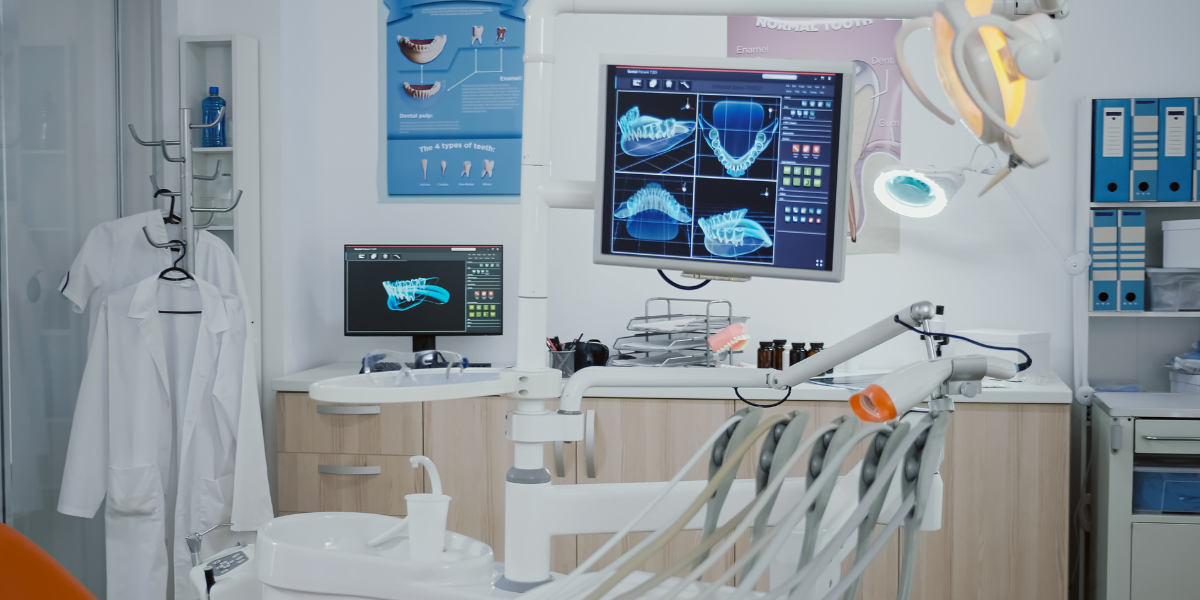
Most patients never see the place where their crown, bridge, or denture actually gets made. It happens somewhere between the dental chair and the finished restoration, in a workspace most people know nothing about.
That workspace is a dental lab, and the work happening there is far more detailed than most people realise. If you’ve been curious about dental labs nz dentists rely on for restorative work, here’s a look at exactly what goes on behind the scenes.
At a Glance: What Dental Labs Do
- Labs turn a dentist’s scan or impression into a finished restoration like a crown, bridge, or denture.
- Technicians combine digital design software with hands-on skill to shape each piece precisely.
- Materials range from ceramics and metals to specialised plastics, chosen based on the specific restoration.
- Quality control checks happen at multiple stages before a restoration leaves the lab.
- Labs work closely with dentists throughout the process to match colour, shape, and fit exactly.
What Exactly Is a Dental Lab?
A dental lab is a specialised facility where technicians design and produce dental restorations based on information sent over by a dentist, typically from a scan or physical impression. This includes crowns, bridges, dentures, orthodontic appliances, and other custom pieces.
Labs operate separately from dental clinics in most cases, receiving cases from multiple practices rather than serving a single dentist exclusively. Some larger clinics do have in-house lab capabilities, but many restorations, especially more complex ones, still go through a dedicated external lab.
How Does a Case Get from the Dentist to the Lab?
A dentist takes a digital scan or physical impression of a patient’s teeth, along with detailed notes on colour, shape, and any specific requirements for the restoration. This information, sent either digitally or as a physical model, becomes the starting point a lab technician uses to begin the design and production process.
The People Behind the Work: Dental Technicians
Dental technicians are the skilled professionals responsible for turning a dentist’s scan into a finished restoration, combining technical training with a strong understanding of dental anatomy and aesthetics. This work requires both precision and an eye for how a restoration will look and function in someone’s mouth.
Technicians often specialise in specific types of work, such as crowns and bridges, dentures, or orthodontic devices, developing deep expertise in their particular area. This specialisation helps labs produce consistent, high-quality results across a wide range of restoration types.
What Training Do Dental Technicians Need?
Dental technicians typically complete formal qualifications in dental technology, covering material science, design principles, and the technical skills needed to produce accurate restorations. Many also pursue ongoing training as digital tools and materials continue to develop within the field.
From Scan to Design: The Digital Planning Stage
Once a lab receives a case, technicians use computer-aided design software to build a digital model of the required restoration, referencing the patient’s scan alongside the dentist’s specific notes. This stage is where the overall shape, size, and fit get planned before any physical production begins.
This digital design process allows for adjustments and previews that weren’t possible with older, fully manual techniques. Technicians can check how a restoration will sit against surrounding teeth and adjust the design on screen before committing to production.
Does Every Restoration Start with Digital Design?
Most modern labs use digital design for the majority of restorations, though some highly specialised or traditional techniques still rely on manual methods for certain cases. The balance between digital and manual work varies depending on the lab and the specific type of restoration being produced.
Choosing the Right Materials
Selecting the correct material for a restoration depends on factors like the location in the mouth, the patient’s bite forces, and aesthetic requirements for visible teeth. Common materials include ceramic, zirconia, various metals, and composite resins, each offering different strengths and appearances.
Front teeth restorations often prioritise a natural, translucent appearance to blend with surrounding teeth, while back teeth restorations may prioritise strength and durability to withstand heavier chewing forces. A technician’s material choice directly affects both how a restoration looks and how long it’s expected to last.
Why Do Different Teeth Need Different Materials?
Front teeth are more visible and experience lighter biting forces, making translucent, natural-looking materials like certain ceramics a good fit. Back teeth handle significantly more pressure during chewing, so stronger materials like zirconia or metal alloys are often chosen to withstand that additional force over time.
Production: Milling, Printing, and Hand-Finishing
Once a design is finalised, restorations are typically produced through milling, 3D printing, or a combination of both, depending on the material and type of restoration. Milling machines carve pieces from solid blocks of material, while 3D printers build certain components layer by layer.
Even with advanced production methods, hand-finishing remains an important part of the process. Technicians polish, adjust, and refine each restoration by hand to achieve a precise fit and natural appearance before it’s ready to send back to the dentist.
Is Any Part of the Process Still Fully Manual?
Yes, certain finishing touches, particularly colour matching and fine surface detailing, often still rely on manual technique even in labs using advanced digital production. This blend of automated precision and hands-on craftsmanship is part of what allows labs to produce restorations that look and function naturally.
Quality Control Throughout the Process
Labs typically check work at multiple stages, from reviewing the initial digital design to inspecting the finished restoration before it ships back to the dentist. Catching an issue early in the process is far more efficient than discovering a problem after production is complete.
This ongoing quality control helps labs maintain consistency across a large volume of cases, since even small errors in fit or shape can significantly affect how a restoration functions once placed. Many dental labs nz dentists partner with build quality checks directly into their standard workflow rather than treating it as an optional final step.
What Happens If a Restoration Doesn’t Meet Quality Standards?
If a restoration doesn’t meet the lab’s internal standards, it typically gets remade rather than sent to the dentist as is. This might involve returning to an earlier design stage or starting production again with an adjusted approach, depending on where the issue was identified.
Communication Between Labs and Dentists
Ongoing communication between a lab and a dentist plays a significant role in producing a restoration that fits and functions correctly. This can include photos, detailed shade guides for colour matching, or direct conversations about specific requirements for a challenging case.
This collaboration matters particularly for cases involving unusual anatomy or specific aesthetic goals, where written notes alone might not capture everything a technician needs to know. Clear communication reduces the chance of needing remakes or adjustments after the restoration is complete.
Frequently Asked Questions
What is the difference between a dental lab and a dental clinic?
A dental clinic is where patients are examined and treated directly by a dentist, while a dental lab is a separate facility where restorations like crowns and dentures are actually designed and produced. Dentists send scans or impressions to a lab, which then creates the physical restoration.
Do all dental restorations go through a lab?
Most custom restorations, like crowns, bridges, and dentures, go through a lab process, though some clinics with in-house equipment can produce simpler restorations directly on-site. More complex cases typically still rely on a dedicated lab’s specialised equipment and expertise.
How long does it typically take a lab to produce a restoration?
Timelines vary based on the type of restoration and the specific lab’s workflow, ranging from a single day for some digital cases to a couple of weeks for more complex work. Your dentist can give a more specific estimate based on your particular case.
What materials do dental labs commonly use?
Common materials include ceramic, zirconia, various metal alloys, and composite resins, each chosen based on the restoration’s location in the mouth and specific functional or aesthetic needs. Front teeth restorations often prioritise a natural appearance, while back teeth restorations prioritise strength.
Why does color matching matter so much in dental lab work?
Colour matching ensures a restoration blends naturally with surrounding teeth, which matters significantly for visible front teeth in particular. Technicians often use detailed shade guides and sometimes photos from the dentist to achieve an accurate, natural-looking match.
Conclusion
Dental labs play a significant but often invisible role in restorative dental care, combining digital design, careful material selection, and hands-on craftsmanship to produce crowns, bridges, and other restorations.
Understanding what happens behind the scenes gives a fuller picture of why quality restorative work takes the time and expertise it does. Next time you’re waiting for a crown or bridge, you’ll have a clearer sense of the detailed process happening before it reaches your mouth.