
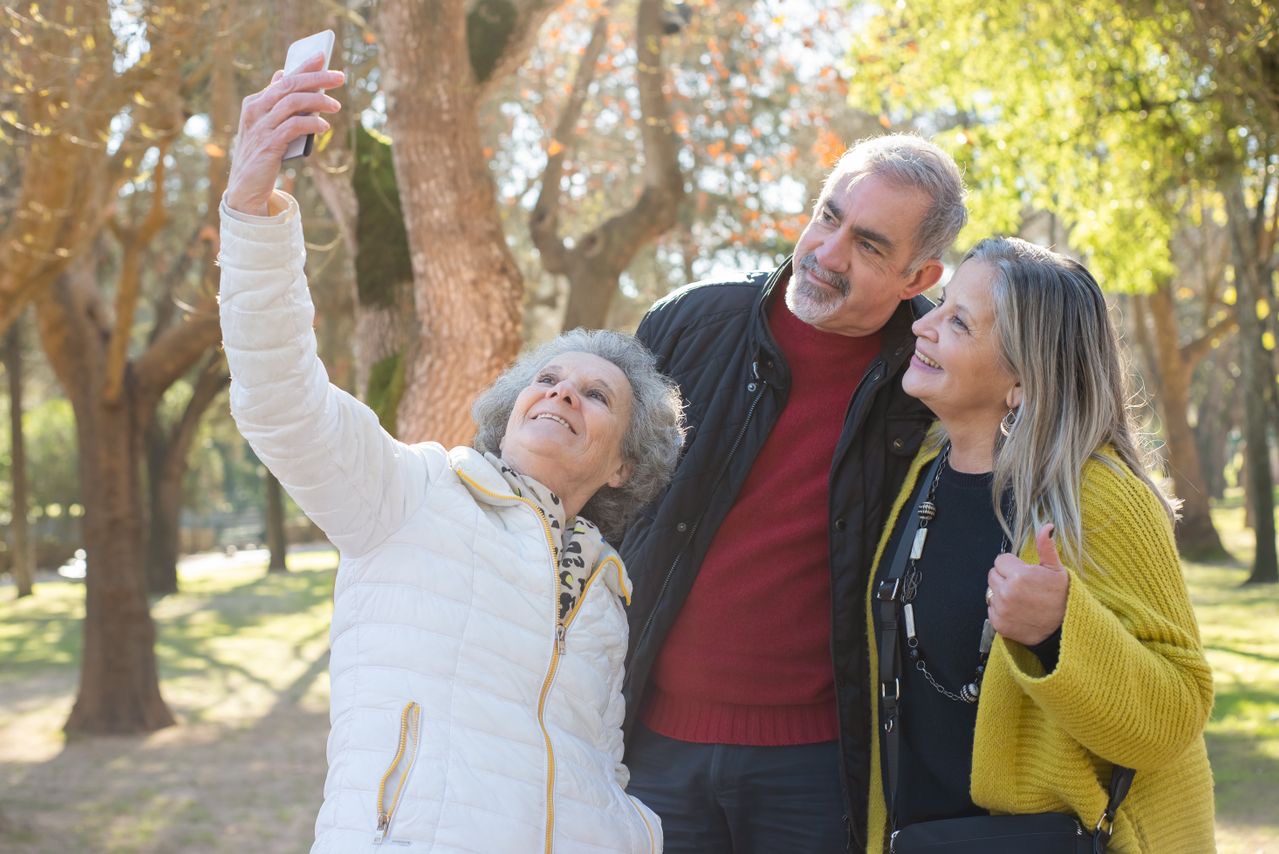
Something troubling has emerged as the older adult population continues to grow: a widespread epidemic of social isolation quietly affecting millions of seniors. Research from the National Academies of Sciences, Engineering, and Medicine estimates that more than one-third of adults aged 45 and older feel lonely, while nearly a quarter of those over 65 are considered socially isolated. The consequences reach far beyond emotional discomfort — physical health, cognitive function, and overall quality of life all take a measurable hit. This sobering reality has fundamentally reshaped what older adults and their families now prioritize when evaluating senior living communities.
The Science Behind Social Connection and Healthy Aging
Medical research has made one thing increasingly difficult to ignore: social connection isn’t a luxury — it’s a health necessity. The U.S. Surgeon General’s advisory on loneliness drew a striking comparison, suggesting that social isolation carries health risks equivalent to smoking 15 cigarettes a day, linking it to higher rates of heart disease, stroke, dementia, and depression. On the flip side, older adults with strong social networks tend to live longer, recover from illness more quickly, and maintain sharper cognitive function well into their later years. Hormones like oxytocin, released during positive social interactions, actively work to reduce stress and inflammation throughout the body. That compelling body of evidence has elevated social programming from a “nice-to-have” to an essential pillar of senior wellness.
How Senior Living Communities Are Responding
Forward-thinking senior living communities have genuinely taken this research to heart, redesigning their spaces and programming around intentional social engagement. Dining rooms, activity centers, and outdoor courtyards are now thoughtfully designed to invite both spontaneous conversation and organized group activities. Robust programming calendars typically include fitness classes, arts and crafts workshops, educational lectures, and cultural outings — all structured to bring residents together around shared interests. For older adults exploring independent living in Redwood City, these socially rich environments offer a meaningful blueprint for what purposeful community engagement can actually look like day to day. Beyond organized events, many communities are also leaning into smaller-scale connections — mentorship programs, interest-based clubs, and volunteer opportunities that give residents a genuine sense of purpose. The result is a living ecosystem where social connection becomes a natural, rewarding part of everyday life rather than something residents have to seek out on their own.
What Families Should Look for in a Socially Engaged Community
Families evaluating senior living options are asking sharper questions these days — ones focused on social vitality rather than square footage alone. Key indicators of a thriving social culture include diverse daily programming, dining experiences designed around communal meals, and staff members who are genuinely trained to nurture relationships among residents. It’s also worth asking about resident councils, peer leadership opportunities, and how the community supports newcomers through what can be an emotionally complex transition. Visiting during an active part of the day — a group fitness class or a shared lunch — can reveal far more about community culture than any glossy brochure ever could. Communities that truly prioritize connection tend to show it: residents appear engaged, upbeat, and quick to welcome a new face through the door.
The Link Between Social Life and Independence
Perhaps the most powerful benefit of a socially connected lifestyle is that it actively supports and extends independence — a priority for virtually every older adult. Seniors who maintain regular social contact are significantly less likely to experience the depression and cognitive decline that can accelerate the need for higher levels of care. Staying socially active also encourages physical movement, since group exercise classes and walking groups make staying active feel enjoyable rather than obligatory. Meaningful relationships provide built-in motivation to maintain routines, pursue personal goals, and stay genuinely engaged with life. For many older adults, choosing a community that places social connection at its core is itself an act of self-determination — a deliberate investment in continued vitality.
Conclusion
Social connection has rightfully earned its place as the defining amenity of modern senior living. The evidence is clear: older adults thrive when they feel seen, valued, and genuinely connected to the people around them. As senior living communities evolve to meet this need, they’re offering far more than housing — they’re offering a lifestyle designed to sustain health, happiness, and purpose over the long term. For older adults and their families navigating this important decision together, making social engagement a top priority isn’t simply a personal preference. It’s one of the most impactful choices they can make for lasting well-being.