
Introduction
Marketing today depends on clear customer data, not only creative ideas or assumptions. Businesses need reliable insights to understand audience behavior, improve campaigns, and make better decisions. Dynamics 365 CRM helps companies manage customer information, track engagement, review sales activity, and measure campaign results from one central platform. With a strong CRM approach, marketing teams can convert scattered data into valuable insights that support smarter targeting, personalized communication, and better marketing performance.
Understanding Data-driven Marketing
Data-driven marketing is the process of using customer information to guide marketing decisions and improve campaign results. Rather than sharing one general message with everyone, businesses can study customer needs, activity, interests, and preferred communication channels. This helps create more relevant and timely campaigns. Dynamics 365 CRM supports this approach by giving team’s access to useful details such as customer profiles, buying history, lead behavior, and engagement data.
Role of Dynamics 365 CRM in Marketing
Dynamics 365 CRM helps businesses organize and use marketing data in a more effective way. It brings customer information from multiple sources, including website inquiries, email campaigns, sales conversations, social media activity, and support interactions, into one connected system. This gives marketing teams a clearer understanding of the full customer journey. They can identify where a lead came from, what type of content they viewed, which services or products interested them, and how ready they are to move forward. With this level of visibility, marketers can plan better campaigns and make smarter decisions at each stage.
Creating a Complete Customer View
One of the key strengths of Dynamics 365 CRM is its ability to give businesses a single, organized view of every customer. In many companies, customer data is divided between sales, marketing, and support teams, which makes it difficult to understand the full customer journey. Dynamics 365 CRM solves this by combining important details into one customer profile. This profile may include contact information, company details, past communication, purchase records, preferences, and campaign activity. With all this data in one place, marketers can understand customers more clearly and create communication that feels more relevant, personal, and effective.
Improving Customer Segmentation
Dynamics 365 CRM enables companies to organize customers into specific groups based on factors such as interests, behavior, location, industry, purchase history, and engagement level. A business can separate new leads, loyal customers, inactive contacts, high-value accounts, or people interested in a particular product or service. This helps marketing teams create campaigns that feel more relevant to each group.
Personalizing Marketing Campaigns
Today’s customers want brands to communicate with them in a way that feels relevant and useful. General marketing messages often do not perform well because they fail to match individual needs or interests. Dynamics 365 CRM helps businesses use customer data to create more personalized campaigns. For example, when a lead shows interest in CRM solutions, the business can share related resources or invite them to a demo. This personalized approach builds trust, improves engagement, and helps turn more leads into customers.
Tracking Campaign Performance
A successful marketing strategy depends on accurate performance measurement. Dynamics 365 CRM helps teams monitor important campaign results through clear and useful data. Marketers can track email open rates, clicks, form submissions, lead sources, customer responses, conversions, and sales impact. These insights show which campaigns are performing well and which areas need improvement. Campaign tracking also helps companies use their budget more effectively by focusing on the channels, messages, and audiences that bring stronger results.
Supporting Lead Scoring and Qualification
Not all leads are ready to make a purchase at the same time. Some people are still exploring options, while others may already be close to choosing a solution. Dynamics 365 CRM helps businesses identify stronger opportunities through lead scoring. Leads can be rated based on actions such as website visits, email interactions, form submissions, content downloads, and direct inquiries. A higher score usually shows greater interest and buying intent.
Connecting Sales and Marketing Teams
Data-driven marketing becomes more effective when sales and marketing teams work together. Dynamics 365 CRM allows both teams to use the same customer information, which creates better alignment and fewer communication gaps. Marketing teams can track how leads move through the sales pipeline, while sales teams can see which campaigns, emails, or content influenced each lead. This shared view helps both departments understand customer behavior more clearly. Marketing can improve campaigns using sales feedback, and sales can follow up with stronger context. When both teams stay connected, businesses can create a smoother customer experience and improve revenue results.
Using Analytics for Better Decisions
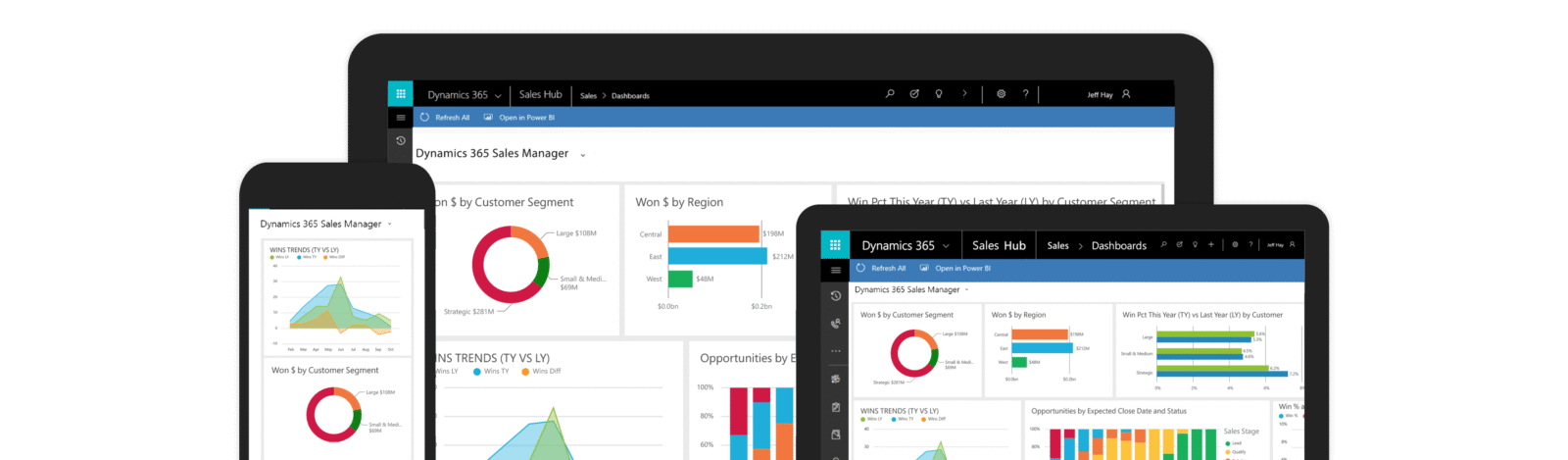
Analytics is a valuable part of Dynamics 365 CRM because it helps businesses understand their customer data more clearly. Marketing teams can study campaign results, customer trends, engagement patterns, and audience behavior to see what is working best. For example, analytics can reveal which customer segment responds better, which product or service gets more attention, and which marketing channel delivers stronger results.
Role of CRM Software Development
CRM Software Development helps businesses shape Dynamics 365 CRM according to their unique marketing needs. Every company has different goals, customer journeys, workflows, and reporting requirements, so a standard CRM setup may not always be enough. With CRM Software Development, businesses can customize dashboards, automate routine tasks, connect third-party tools, and create features that support their daily operations. It can also integrate Dynamics 365 CRM with websites, email marketing platforms, e-commerce systems, support tools, and analytics solutions. This makes the CRM more flexible, powerful, and useful for generating better marketing insights.
Improving Customer Retention
Data-driven marketing is not only about getting new customers. It is also about keeping existing customers engaged and loyal. Dynamics 365 CRM helps businesses track customer satisfaction, purchase history, support issues, and engagement levels. This data can be used to create retention campaigns, loyalty programs, renewal reminders, and personalized offers. For example, if a customer has not interacted with the business for a long time, the marketing team can send a re-engagement campaign. By understanding customer behavior, businesses can reduce churn and build stronger long-term relationships.
Conclusion
Using Dynamics 365 CRM for data-driven marketing insights allows businesses to make more informed and confident marketing decisions. It centralizes customer data, improves audience segmentation, supports personalized campaigns, measures performance, and brings sales and marketing teams closer together. With strong analytics and automation, companies can better understand customer behavior and create campaigns that produce stronger results. When combined with CRM Software Development, Dynamics 365 CRM can be customized to fit specific business goals and connect with essential digital tools. For today’s businesses, data-driven marketing is a key part of improving engagement, supporting growth, and building long-term customer relationships. Devsinc helps businesses use Dynamics 365 CRM to turn customer data into meaningful marketing insights. With expert support, companies can improve segmentation, personalization, automation, and campaign performance.