
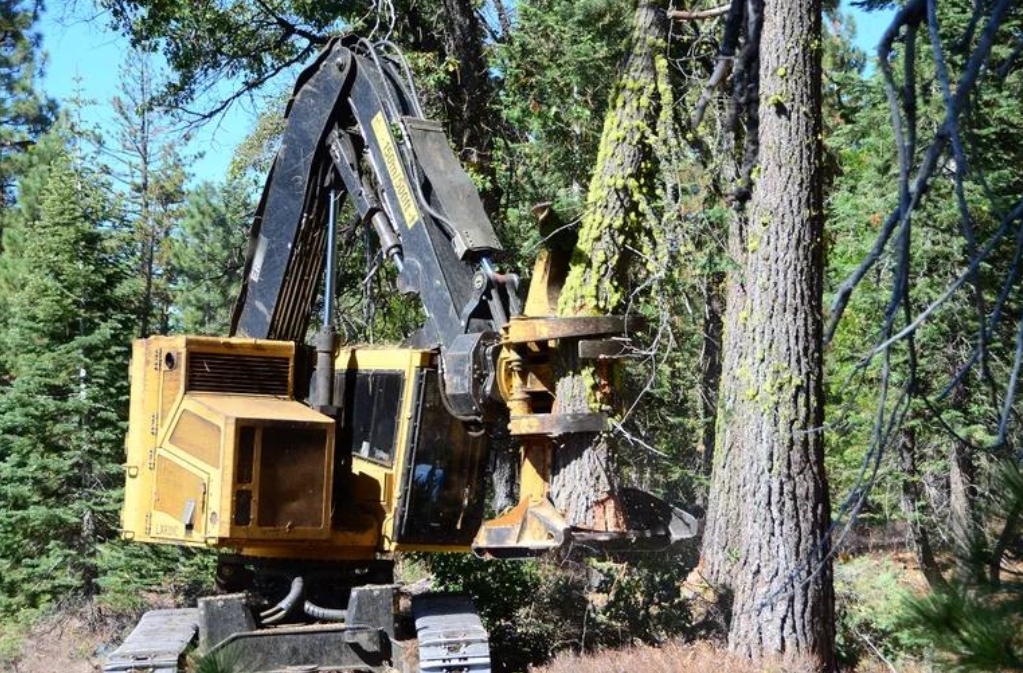
Feller bunchers are designed to handle demanding forestry operations, from cutting large trees to working in harsh outdoor environments. However, the performance of these machines depends heavily on the condition and quality of their cutting components. The wrong tooth material can lead to faster wear, reduced cutting efficiency, and unexpected downtime. Choosing between steel and carbide options requires careful consideration of factors such as tree species, ground conditions, workload, and operating costs. The right feller buncher teeth can help operators maintain consistent cutting performance, reduce maintenance frequency, and improve overall productivity in challenging forestry applications.
Understanding Steel Teeth for Forestry Equipment
Steel teeth are a common choice for forestry cutting applications because they provide a good balance of strength, durability, and cost. They are suitable for many standard logging operations where impact resistance and reliable performance are important.
One of the main advantages of steel teeth is their toughness. They can handle challenging conditions such as:
- Hard knots and dense wood: Absorb impact during cutting without easily breaking.
- Frozen or tough timber: Provide stable performance under heavy loads.
- General forestry work: Offer dependable results for routine applications.
Steel teeth are also more affordable than carbide options, making them a practical solution for contractors looking to control maintenance costs. They are often used for softwood harvesting, regular logging, and medium-duty operations.
However, steel teeth may wear faster in highly abrasive environments. For applications involving rocks, sandy soil, or long working hours, carbide teeth may provide better wear resistance and longer service life.
Understanding Carbide Teeth for Harsh Forestry Conditions
Carbide teeth are designed for forestry applications where longer wear life and improved cutting performance are required. Compared with standard steel teeth, carbide options provide higher hardness and better resistance to abrasion, making them suitable for more demanding working environments.
The main advantages of carbide teeth include:
- Superior wear resistance: Carbide materials can withstand continuous friction and abrasive conditions, helping teeth maintain cutting performance for longer periods.
- Longer service life: Although carbide teeth usually have a higher initial cost, they can reduce replacement frequency and minimize maintenance downtime.
- Better performance in harsh conditions: They are especially useful when working with hardwood, sandy soil, rocks, or trees contaminated with dirt.
For contractors who operate feller bunchers for long hours or in challenging environments, choosing durable components can significantly improve productivity. Many professionals select carbide forestry wear parts when reducing downtime and extending service intervals are more important than the initial purchase cost.
While carbide teeth may not be necessary for every application, they can provide a cost-effective solution for operations where frequent replacements and equipment downtime affect profitability.
Carbide vs Steel Teeth: Key Differences
Choosing between steel and carbide teeth depends on your operating conditions, budget, and performance requirements. While steel teeth are known for their toughness and affordability, carbide teeth are designed to provide longer wear resistance in more demanding environments.
| Factor | Steel Teeth | Carbide Teeth |
| Impact Resistance | Excellent | Good |
| Wear Resistance | Moderate | Excellent |
| Initial Cost | Lower | Higher |
| Service Life | Standard | Longer |
| Best Application | General logging | Heavy-duty forestry operations |
When comparing these two options, the lowest purchase price is not always the most cost-effective choice. Operators should consider the overall operating cost, including:
- Replacement frequency: How often the teeth need to be changed during regular operations.
- Working conditions: Whether the equipment operates in abrasive environments with rocks, dirt, or hardwood.
- Downtime costs: How replacement work affects productivity and project schedules.
For occasional or standard logging applications, steel teeth may provide sufficient performance. However, for continuous operations in harsh environments, carbide teeth can help reduce maintenance interruptions and improve long-term efficiency. The right choice depends on finding the best balance between durability, performance, and operating costs.
How to Choose the Right Teeth for Your Feller Buncher
Selecting the right teeth for your feller buncher requires more than comparing prices. The best option depends on your working conditions, material type, and long-term operating goals.
Consider these key factors before making a decision:
- Wood type: The type of timber you process affects tooth performance. Steel teeth are often suitable for softer wood and general logging, while carbide options may perform better when cutting hardwood or dense materials.
- Working environment: Conditions such as rocky soil, dirt contamination, moisture, and extreme temperatures can increase wear. For abrasive environments, choosing more wear-resistant components can help extend service intervals.
- Operating costs: The initial purchase price is only one part of the total cost. Steel teeth may offer a lower upfront cost but require more frequent replacement, while carbide teeth typically provide longer service life and help reduce maintenance downtime.
By evaluating these factors, operators can select the most suitable feller buncher teeth for their applications and achieve better cutting efficiency, lower maintenance costs, and more consistent productivity.
Final Thoughts: Selecting the Right Material for Your Operation
Choosing between steel and carbide teeth ultimately depends on your specific forestry applications, working environment, and maintenance goals. Steel teeth remain a reliable and cost-effective option for general logging operations, while carbide teeth provide enhanced wear resistance for more demanding conditions where longer service life is required.
By understanding the differences between these materials, you can make a better decision based on performance requirements rather than initial cost alone. Whether you need standard steel options or longer-lasting carbide solutions, choosing reliable feller buncher teeth is essential for maintaining cutting efficiency, reducing downtime, and keeping your forestry equipment productive.
