
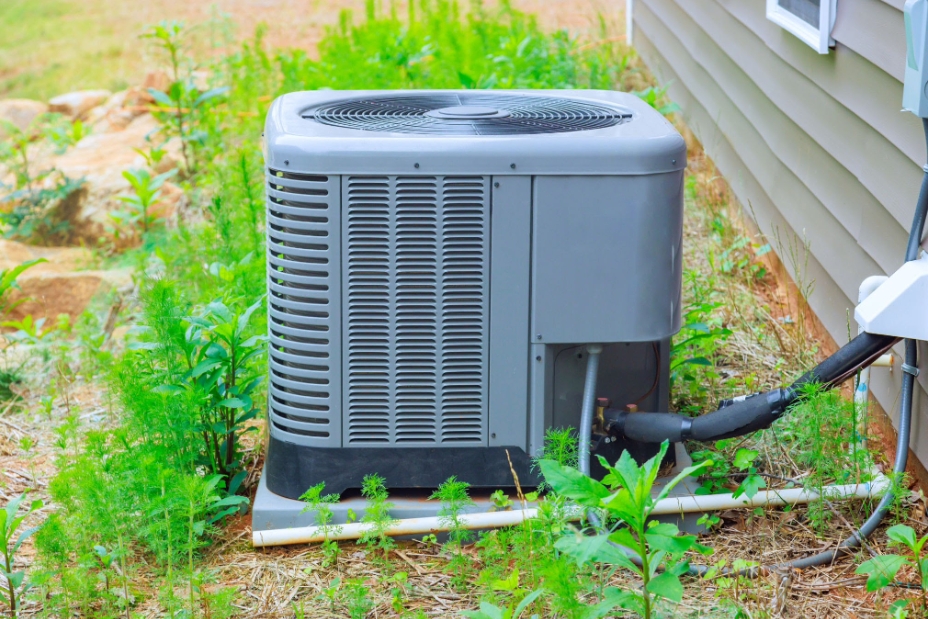
As summer temperatures reach unprecedented highs across sunbelt communities and coastal sub-tropical regions, keeping homes comfortable has become a complex engineering challenge. Prolonged heatwaves, elevated humidity indexes, and rising utility rates have placed unprecedented thermal stress on residential infrastructure. For millions of homeowners, air conditioning is no longer merely a seasonal convenience—it is a critical household utility essential for health, productivity, and indoor environmental safety.
The growing frequency of severe heat events is driving a fundamental transformation in residential climate control. Homeowners, builders, and energy consultants are moving away from traditional reactive cooling habits in favor of holistic home efficiency. By combining smart HVAC technology, advanced building insulation, and proactive maintenance strategies, modern households can maintain cool, healthy living environments while keeping energy consumption under control.
1. The Physics of Peak Summer Thermal Load
To appreciate the engineering required to keep modern homes cool, it is helpful to understand the primary factors that contribute to indoor thermal build-up during extended summer heatwaves.
- Conductive Heat Transfer: Solar radiation bakes roof tiles and exterior wall surfaces, elevating surface temperatures to well over 140°F (60°C). This heat gradually conducts inward through building materials into attic spaces and living quarters.
- Latent Moisture Gain: High atmospheric humidity forces cooling systems to spend considerable energy condensing water vapor out of the air before sensible cooling (lowering actual air temperature) can effectively occur.
- Thermal Mass Delay: Heavy structural materials like concrete, brick, and asphalt retain heat throughout the day and radiate thermal energy back into surrounding structures well into the night, keeping ambient temperatures artificially high after sunset.
When outdoor temperatures remain consistently elevated day and night, residential cooling units are forced to operate across extended run times. Without routine care, this continuous load leads to elevated wear on electrical components, decreased efficiency, and sudden mechanical failures.
2. Advanced HVAC Engineering and Smart Home Innovations
To address the challenges of severe heat and rising electricity prices, modern heating, ventilation, and air conditioning (HVAC) systems incorporate advanced technologies that far surpass legacy single-stage units.
Inverter-Driven Variable-Speed Compressors
Traditional air conditioning systems operate on an all-or-nothing principle: they run at 100% capacity until the thermostat setpoint is satisfied, then shut off completely. This frequent cycling causes sharp electrical spikes and noticeable indoor temperature swings.
In contrast, inverter-driven compressor motors automatically scale output dynamically across fine increments—operating anywhere from 25% to 100% capacity based on real-time thermal demand. By running continuously at low, steady speeds, these systems maintain precise indoor climate control while consuming up to 40% less electrical power.
Automated Climate Control and Smart Sensors
Integrating smart thermostats into home automation networks allows for intelligent scheduling, remote monitoring, and automated energy optimization. Multi-room sensor arrays detect room occupancy and local humidity levels, allowing central systems to adjust cooling distribution based on actual living patterns.
+————————————————————————–+
| SMART RESIDENTIAL COOLING ARCHITECTURE |
+————————————————————————–+
| [Smart Thermostat Hub] <–> Analyzes real-time outdoor weather data |
| | |
| +–> [Inverter Compressor] (Modulates speed based on load) |
| | |
| +–> [Electronic Zone Dampers] (Directs airflow to active rooms) |
| | |
| +–> [Whole-Home Dehumidifier] (Maintains 45-50% RH levels) |
+————————————————————————–+
Whole-House Humidity Control
Because high relative humidity impairs the body’s natural cooling mechanisms, managing moisture is essential to indoor thermal comfort. Integrated whole-house dehumidifiers draw excessive humidity out of supply air before it circulates through living spaces, enabling occupants to feel comfortable at slightly higher thermostat settings.
3. The Necessity of Rapid Emergency HVAC Service
Even high-performance cooling systems can suffer unexpected component strain during extreme heat events. A failed start capacitor, a clogged condensate drain line, or a minor refrigerant leak can quickly escalate from a simple maintenance issue into a complete system shutdown on a 95°F afternoon.
When an air conditioner fails during severe heat, indoor temperatures can climb past safe thresholds within a few hours. In humid climates, prolonged system outages also create ideal conditions for indoor mold growth and humidity damage. Having access to prompt, professional technicians who understand local climate demands is vital for keeping homes safe. For homeowners seeking fast, dependable repair solutions during peak summer heat, Air Nifty serves the city of Sunrise with rapid diagnostic and emergency cooling services that quickly restore household comfort.
Early Warning Indicators of System Stress
Warning: Never ignore subtle operational changes during heatwaves. Addressing minor warning signs promptly helps prevent permanent compressor damage.
- Continuous Short-Cycling: The unit turns on and shuts down repeatedly in rapid cycles under five minutes.
- Warm or Lukewarm Airflow: Supply vents blow ambient air despite the thermostat calling for active cooling.
- Unusual Mechanical Noises: Grinding, squeaking, or electrical buzzing coming from the indoor air handler or outdoor unit.
- Water Pooling Near the Indoor Unit: Condensate backing up in the drain pan indicates a blocked drain line or a frozen evaporator coil.
4. Architectural Insulation and Passive Thermal Management
While mechanical cooling units handle active heat extraction, implementing passive thermal defense techniques significantly reduces total heat gain, lowering energy requirements across the home.
High-R Attic Insulation & Radiant Barriers
Because solar radiation directly hits the roof deck, attic temperatures can easily reach 150°F during summer months. Upgrading attic insulation to R-38 or R-60 standards, combined with foil radiant barriers, reflects up to 95% of radiant heat before it can penetrate ceiling drywall into living areas below.
Low-E Window Treatments
Standard window glass allows significant solar heat to pass straight into interior rooms. Applying Low-Emissivity (Low-E) window films or installing reflective thermal shades blocks unwanted infrared radiation while preserving natural daylight.
Strategic Exterior Shading
Integrating natural landscape elements—such as broad-leaf shade trees or tall palm clusters along southern and western building exposures—creates a natural barrier against afternoon sun, reducing exterior wall temperatures by up to 20°F.
5. Proactive Preventative Maintenance Checklist
Following a regular maintenance routine keeps system performance optimized, reduces monthly utility expenditures, and protects manufacturer warranties.
| Maintenance Task | Primary Benefit | Recommended Interval |
| Air Filter Replacement | Preserves volumetric airflow and keeps internal coils clean. | Every 30–60 Days |
| Condensate Line Flushing | Clears algae accumulation and prevents interior water overflow. | Monthly during Summer |
| Condenser Coil Cleaning | Removes dust and debris to ensure efficient heat dissipation. | Bi-Annually |
| Electrical Connections Check | Identifies worn capacitors, loose wiring, and contactor wear. | Annually by Professional |
| Duct Network Inspection | Identifies air leaks and sealing deficiencies in unconditioned spaces. | Every 3–5 Years |
Looking to the Future: Comprehensive Home Energy Resilience
Achieving reliable residential cooling in an era of intensifying thermal conditions requires a balanced, forward-thinking strategy. By combining high-efficiency inverter technology, automated smart control, robust structural insulation, and reliable local emergency support, modern households can maintain safe, comfortable indoor environments year-round while keeping operational costs manageable.