
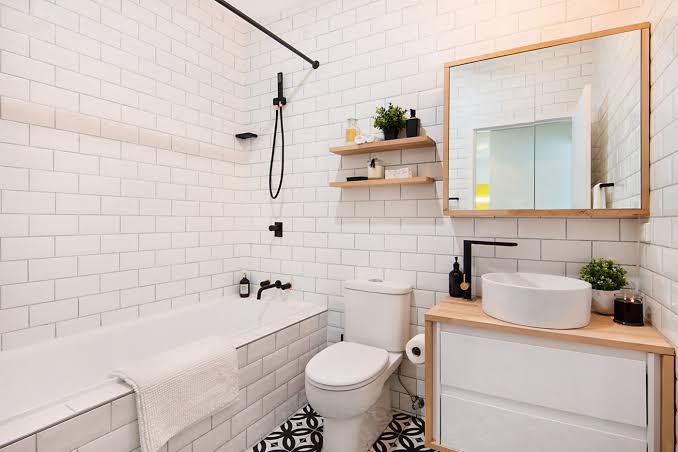
Renovating a bathroom is a significant undertaking that requires careful thought and strategic planning. A well-prepared project saves time, money, and unnecessary stress throughout the construction process. How to renovate a bathroom step by step?
Defining your needs and budget
Before picking out tiles or browsing for new faucets, take a moment to assess why you are starting this work. Think about whether you need more storage space, a complete change of layout, or simply a visual refresh. Clarity at this stage prevents costly changes later on. Setting a realistic budget is equally important for keeping the project on track. You should allocate at least fifteen percent of your total funds for unexpected issues that often emerge behind old walls. If you are looking for professional inspiration or need local expertise for projects like bathrooms Aberdeen, research local contractors early to understand current market rates. This initial can help ensure that your financial plan aligns with the reality of renovation costs.
Evaluating the existing infrastructure
Old plumbing systems and electrical wiring often hide behind bathroom surfaces. You must inspect these elements before deciding on the final look of the room. Replacing outdated pipes now prevents leaks that could ruin your new floor or cabinets in the future. Check the condition of the ventilation system as well, since moisture is the primary enemy of every bathroom. Good airflow keeps your walls free from mold and protects the longevity of your fixtures. Consult with a qualified professional if you feel unsure about the state of your current installations. Identifying these technical requirements early allows you to prioritize safety over aesthetics.
Beyond the visible plumbing, you should also consider the structural integrity of the subfloor and wall framing. In many older homes, the area surrounding the shower or bathtub is prone to water damage that might not be visible until the old tiles are stripped away. Investing time in proper waterproofing membranes and high-quality moisture barriers at this stage is non-negotiable. It is far more cost-effective to reinforce the floor joists or replace water-damaged drywall before installing expensive finishes, as these structural improvements form the foundation of a durable and safe bathroom.
Selecting materials and functional layout
The layout dictates how you move around the space every single day. Try to keep the toilet and sink in their original spots if possible to avoid complex plumbing work. This simple trick significantly reduces the total cost of your renovation project.
When choosing materials, focus on water resistance and ease of cleaning rather than just the visual appeal. Porcelain tiles, treated stone, and moisture-resistant paints are popular choices that endure daily wear. Think about the lighting scheme as well, as it creates the atmosphere of the entire room. A mix of bright task lighting and softer ambient light makes the bathroom comfortable at any time of day.
When it comes to selecting fixtures, remember that the ergonomics of your bathroom are just as important as the aesthetic style. Think about the height of the vanity, the accessibility of towel racks, and the ease of cleaning around the base of the toilet. Opting for wall-mounted units can create an illusion of more space and make floor cleaning much faster, which is a significant advantage in smaller rooms.
By carefully planning the placement of each element relative to your daily habits, you ensure that the final result is not only beautiful but also highly intuitive and comfortable for every member of your household.
Managing the timeline and professional support
Construction work rarely goes exactly according to the initial schedule. Unexpected delays in material delivery or complex structural repairs can easily push back your completion date. Build a buffer into your timeline to handle these potential setbacks without losing your temper.
If you decide to hire a team, verify their previous work and ensure they have valid insurance policies. Clear communication with the contractors helps everyone stay on the same page regarding expectations. For more practical advice on managing home improvements, additional information can be found at https://thehomeexpert.uk/ which offers valuable resources for homeowners. Focus on quality execution rather than rushing to finish the job quickly. A patient approach ensures your new bathroom serves your household for many years to come.