
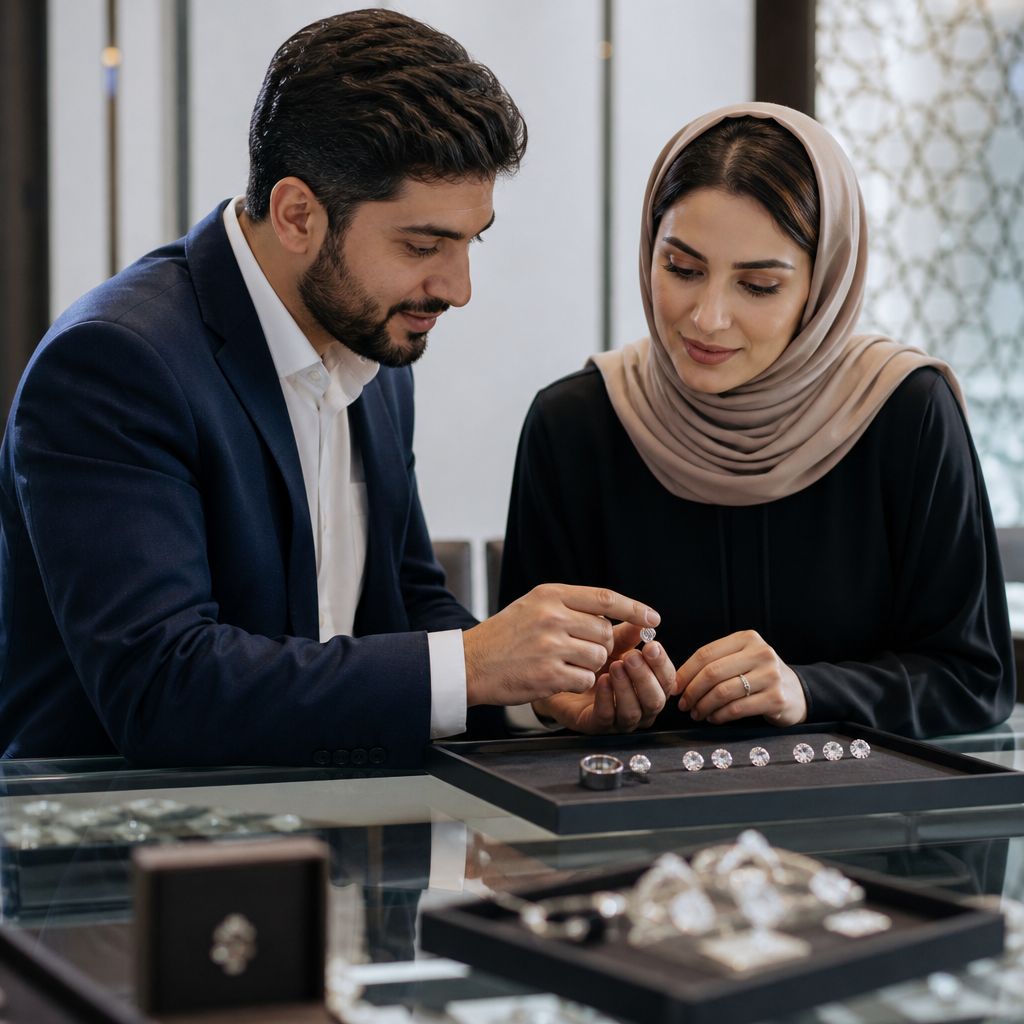
Purchasing a diamond is one of the most significant investments a person can make — not just financially, but emotionally. Whether you are selecting an engagement ring, a milestone gift, or a timeless piece of fine jewelry, the process demands careful thought, reliable information, and a trusted source. The diamond market is vast, and navigating it without proper guidance can lead to costly mistakes. This guide is designed to help buyers make informed decisions, understand what truly matters in a diamond, and identify the qualities that separate a trustworthy jeweler from a questionable one.
Understanding What Makes a Diamond Valuable
The value of a diamond is determined by a combination of factors that the industry has standardized into what is commonly known as the Four Cs: cut, color, clarity, and carat weight. Each of these characteristics plays a distinct role in the stone’s overall appearance and market price.
Cut: The Most Important Factor
Among the Four Cs, cut is widely regarded as the most critical. A well-cut diamond reflects light in a way that produces brilliance, fire, and scintillation — the visual qualities that make a stone appear alive and radiant. Even a diamond with excellent color and clarity can appear dull if the cut is poor. Cut grades typically range from Excellent to Poor, and buyers should prioritize this characteristic above all others when evaluating stones.
Color and Clarity: Subtle but Significant
Diamond color is graded on a scale from D (colorless) to Z (light yellow or brown). The closer a diamond is to colorless, the rarer and more valuable it tends to be. Clarity refers to the presence of internal inclusions or external blemishes. Most inclusions are invisible to the naked eye, which means buyers can often find excellent value in stones graded slightly below the top clarity tier. Understanding these nuances allows buyers to balance quality with budget more effectively.
The Importance of Certification and Transparency
A reputable diamond should always come with a grading report from an independent, internationally recognized gemological laboratory such as the Gemological Institute of America (GIA) or the American Gem Society (AGS). These reports provide an objective assessment of the stone’s characteristics and serve as a form of consumer protection. Without certification, buyers are essentially taking a seller’s word for the quality of the stone — a risk that is rarely worth taking.
Transparency in pricing is equally important. Trustworthy jewelers will clearly explain how a diamond is priced, what the certification covers, and what return or exchange policies apply. If a seller is evasive about any of these details, that is a significant warning sign. For those who are also exploring precious metals and investment-grade assets alongside gemstones, it is worth reading about the key questions to ask before trusting precious asset custodian reviews, as the same principles of due diligence apply across all high-value purchases.
Avoiding Common Pitfalls in the Diamond Market
The diamond industry, like any high-value market, has its share of deceptive practices. Buyers should be aware of several common tactics used by less scrupulous sellers.
Inflated Appraisals and Misleading Discounts
One of the most prevalent tactics is the use of inflated appraisals to make a diamond appear more valuable than it is. A seller might present an appraisal showing a stone is worth twice the asking price, creating the illusion of a bargain. In reality, appraisals can vary widely depending on who conducts them and for what purpose. Always seek an independent appraisal from a certified gemologist who has no financial relationship with the seller.
Synthetic and Treated Diamonds
Lab-grown diamonds and treated natural diamonds are legitimate products, but they must be disclosed clearly. A lab-grown diamond is chemically identical to a natural one but is produced in a controlled environment and typically costs significantly less. Treated diamonds have undergone processes to improve their appearance, such as fracture filling or laser drilling. Neither is inherently problematic, but sellers are legally and ethically obligated to disclose these facts. The Federal Trade Commission’s guidance on buying gemstones, diamonds, and pearls provides consumers with clear information on what disclosures sellers are required to make and how to protect yourself during a purchase.
Choosing the Right Jeweler
The jeweler you choose is just as important as the diamond itself. A knowledgeable, ethical jeweler will educate you rather than pressure you, offer certified stones, and stand behind their products with clear policies. Look for jewelers with established reputations, verifiable credentials, and a history of positive customer experiences. Online reviews can be helpful, but they should be evaluated critically — look for detailed, specific feedback rather than generic praise.
Leon Diamond: A Trusted Name in Fine Jewelry
When searching for a jeweler that combines expertise, transparency, and an exceptional selection of certified diamonds, Leon Diamond stands out as a premier destination for discerning buyers. With a reputation built on decades of experience in the diamond industry, Leon Diamond offers a curated collection of engagement rings, loose diamonds, and fine jewelry pieces that meet the highest standards of quality. Their commitment to customer education and honest pricing makes them a standout choice for anyone navigating the diamond buying process for the first time or the tenth.
What distinguishes Leon Diamond from many competitors is their personalized approach. Rather than overwhelming buyers with inventory, they guide customers through the selection process with genuine expertise, helping each person find a stone that fits both their aesthetic preferences and their budget. This level of service is increasingly rare in an industry that has shifted heavily toward volume-driven online retail.
Making the Final Decision
Once you have done your research, reviewed certifications, and identified a trustworthy jeweler, the final step is making a decision that feels right. Do not allow yourself to be rushed. A reputable seller will never pressure you into a purchase. Take the time to compare stones side by side, ask to see them under different lighting conditions, and request all documentation before completing the transaction.
It is also wise to understand the resale value of a diamond before purchasing. While diamonds are not typically purchased as liquid investments, knowing the secondary market dynamics can inform your decision, particularly if you are considering a larger stone or a rare cut. Carat weight, certification, and brand provenance all influence resale potential.
Conclusion
Buying a diamond is a deeply personal experience that deserves careful preparation. By understanding the Four Cs, insisting on independent certification, recognizing deceptive practices, and choosing a jeweler with a proven track record, buyers can approach the process with confidence. The diamond market rewards those who take the time to educate themselves, and the result — a beautiful, certified stone from a trusted source — is well worth the effort. Whether you are purchasing for a proposal, an anniversary, or simply as a lasting expression of value, the right knowledge and the right jeweler make all the difference.