
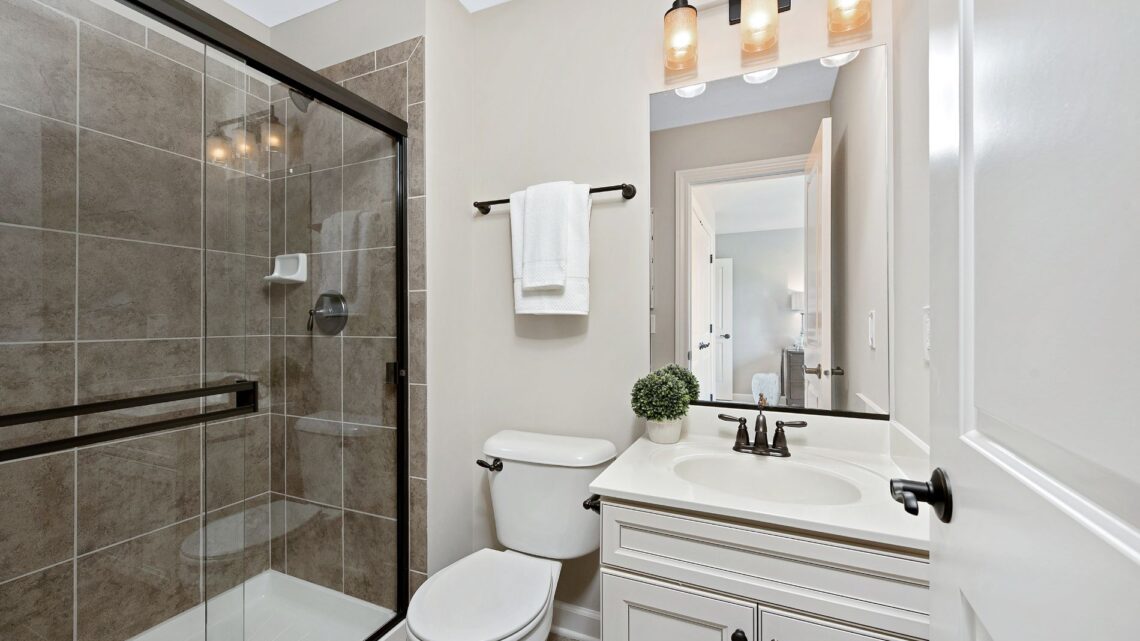
Small bathrooms can be a bit cheeky. They look simple enough at first, then suddenly the shower nibs into the vanity, the door clips the loo, and you find yourself doing a sideways shuffle just to brush your teeth. Sound familiar? Plenty of Aussie homes, especially older ones in Sydney terraces, Melbourne units, Brisbane cottages, and compact Perth builds, have bathrooms that feel more like a tight corner than a proper room.
The good news is that a small bathroom does not have to feel poky. With the right renovation choices, it can feel smarter, lighter, and far more comfortable to use. A few clever layout moves, some practical fittings, and a bit of restraint with the finishes can make a surprising difference. No magic tricks, just proper planning and a bit of common sense.
Start with the layout, not the tiles
It is tempting to get carried away choosing tapware and tiles straight away. Nice stuff, yes. Useful? Not yet. The real win in a small bathroom comes from the layout. If the room is awkward, no amount of fancy mosaic work will fix it.
Think about how you move through the space. Can the door open without bumping into the vanity? Is there enough clearance around the toilet? Would a shower screen swing awkwardly into the room? These are the little things that decide whether a bathroom feels tight or simply well planned.
Sometimes shifting the toilet a few centimetres or changing the direction of the shower makes the whole room breathe easier. In older Australian homes, where bathrooms were often tacked on years later, the original layout can be a bit of a mess. That is where a thoughtful redesign earns its keep.
Choose a vanity that earns its place
A bulky vanity in a small bathroom is a bit like wearing a winter coat in December. It just takes up too much room. A floating vanity is often a smart pick because it creates the feeling of more floor space and makes cleaning easier too. That little gap underneath can make the room feel less boxed in.
Wall-mounted vanities with slim profiles work well in tighter spaces. Drawers are usually better than deep cupboards because they make it easier to find things without rummaging like you are searching for car keys on a Monday morning. If storage is tight, a mirrored cabinet above the basin can give you extra room without eating into the floor plan.
Go for a shower that feels open
Showers can take up a surprising amount of visual space, even when the footprint is modest. A frameless glass screen is often a smart move because it lets light travel across the room. The eye sees more of the bathroom, which gives a sense of openness that a chunky framed enclosure rarely matches.
A walk-in shower works well in many small bathrooms, especially when the shower is tucked into a corner or runs along one wall. If space is really tight, a fixed panel may be better than a full door. It keeps things neat and avoids the awkward dance of opening and closing glass in a small footprint.
Some homeowners also go for a shower niche instead of a hanging caddy. It sounds minor, but when bottles are built into the wall, the whole room looks tidier. Less clutter, more calm. Simple enough.
Let the light do some of the heavy lifting
Light can make or break a small bathroom. A dim room feels smaller straight away, while a bright one tends to feel far more generous. Natural light is ideal, of course, but not every bathroom has a window worth writing home about. In that case, layering your lighting helps a lot.
Ceiling lights, mirror lights, and softer task lighting around the vanity can brighten the room without making it harsh. Warm white tends to feel more inviting than cool white in most homes. It gives the space a softer, more relaxed feel, which suits the bathroom better than a cold, clinic-like look.
Reflective surfaces help too. A glossy tile, a large mirror, or a glass shower panel can bounce light around the room. That little trick often makes the space feel wider than it really is. Sneaky, but in a good way.
Keep the colour scheme calm
Busy patterns can be fun, but in a small bathroom they can also make the room feel a bit hectic. Soft, light colours tend to work best if the goal is to open up the space. Think warm whites, muted greys, pale stone tones, or gentle earthy shades that suit Australian homes beautifully.
That does not mean the room needs to be bland. A bit of texture can stop it from feeling sterile. Think matt tiles, brushed tapware, or a timber-look vanity that adds warmth without shouting for attention. It is all about balance. Too many competing finishes and the room starts to feel restless.
Large-format tiles can also help because fewer grout lines create a cleaner visual flow. And yes, they often make the room look bigger than a patchwork of tiny tiles. Handy little illusion, that.
Make storage work harder
Storage is usually the thing that gets squeezed out in a small bathroom, then everyone wonders where the hand towels and hair tools are meant to go. A smart renovation gives storage a proper role, not an afterthought.
Think vertically. Wall shelving, mirrored cabinets, recessed niches, and slim cabinets above the toilet can all help. When space is tight, every centimetre has to pull its weight. That does not mean stuffing every spare wall with cupboards. A few well-placed storage spots usually work better than a dozen awkward ones.
If you are weighing up fittings and finishes, it helps to keep an eye on bathroom renovation cost early in the planning stage, because the smartest storage ideas are the ones that fit the room and the budget without turning the job into a headache.
Pick fixtures that suit the scale of the room
Oversized fixtures in a small bathroom can feel a bit heavy-handed. A compact toilet, a narrower basin, and slimline tapware often sit better in a small footprint. The aim is not to cram in the smallest possible parts just for the sake of it. It is about choosing pieces that suit the proportions of the room.
Wall-hung toilets can be a winner because they free up floor space and create a cleaner look. Likewise, a slender basin with a narrow depth can make circulation easier. You want the bathroom to feel usable, not like a puzzle box.
Even the little details matter. Towel rails that sit neatly against the wall, compact robe hooks, and smaller accessories can all help the room feel less cluttered. No need for oversized fittings that seem to have wandered in from a hotel suite.
Think about how the room feels, not just how it looks
A small bathroom should be pleasant to use every day, not just nice in photos. That means planning for comfort. Is there enough room to dry off without knocking the towel rail? Can someone reach the vanity without backing into the shower? Does the storage make sense for the people using it?
In family homes, the bathroom often has to cope with a fair bit of traffic. In apartments, it might need to do more with less. Either way, the room works best when it feels easy, not fussy. If the layout flows well, the bathroom starts to feel bigger almost by accident.
There is also a mental side to it. A tidy, well-organised bathroom feels less stressful. No one wants to start the day searching for a toothbrush in a cramped mess. A small space that functions properly tends to feel much better than a larger one that is badly arranged.
Small changes that make a big difference
Use a pocket door if you can
A sliding or cavity door can free up a chunk of usable space, especially in very tight layouts. It stops the door from swinging into the room and gives you a bit more breathing room near the vanity or toilet.
Choose mirrors with purpose
A large mirror can make the bathroom look wider, while a mirrored cabinet gives you storage as well. A good mirror does more than help with shaving or makeup. It can visually double the room if placed well.
Keep accessories minimal
Too many small bits and pieces can make a small bathroom feel messy in no time. A simple soap holder, one towel hook per person, and a tidy shelf or two often work better than a pile of decorative extras.
Bringing it all together
Maximising space in a small bathroom renovation is really about making smart decisions, not chasing trends. A well thought-out layout, slim fixtures, clever storage, and a light colour palette can change the feel of the room completely. It may still be a small bathroom, but it does not have to act like one.
For Australian homes, where bathrooms often have to fit into older floor plans or compact builds, these choices matter even more. The right renovation can turn a cramped little room into a space that feels ordered, relaxed, and genuinely pleasant to use. Not bad for a room that used to make everyone sidestep the towel basket.