
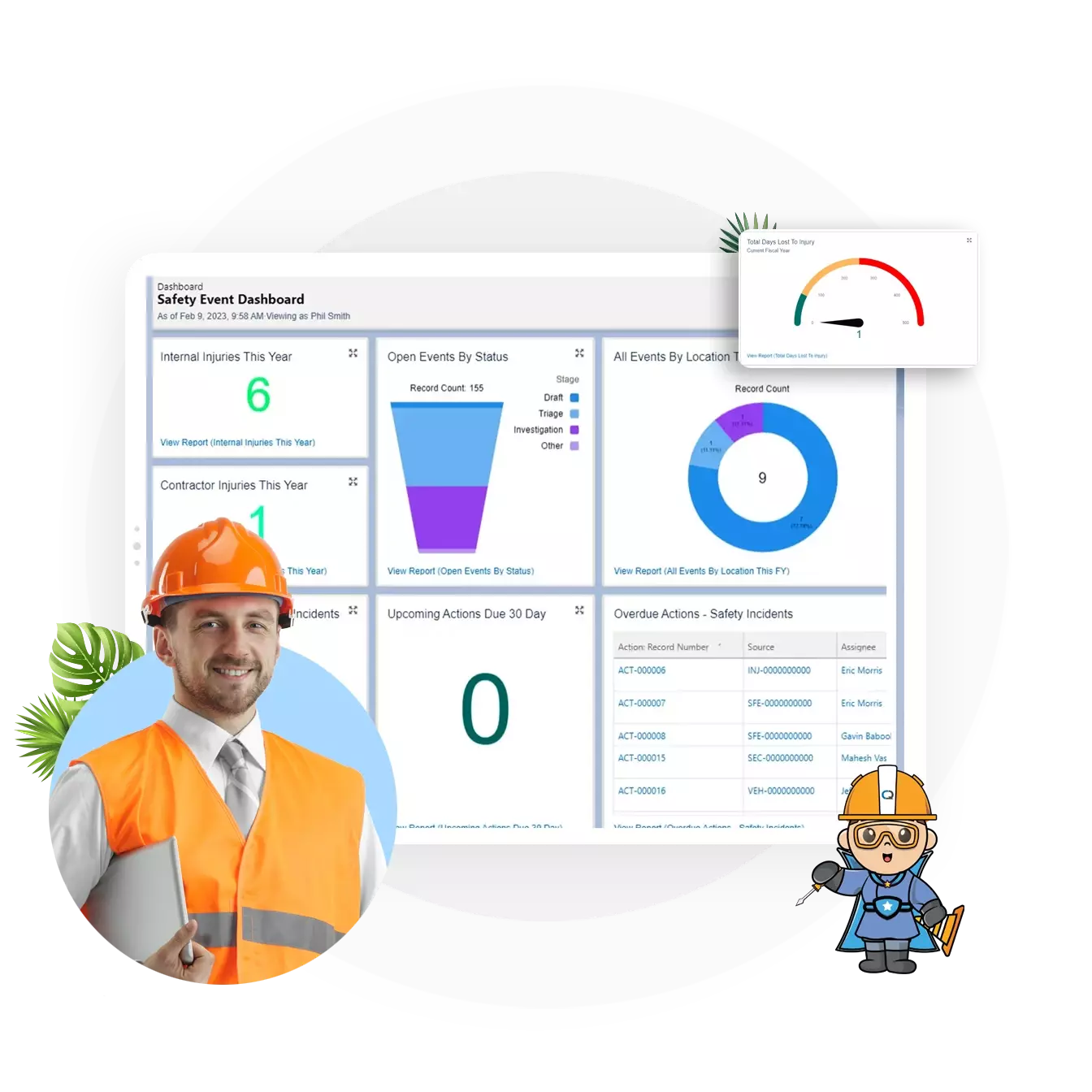
Maintaining a safe and compliant workplace requires more than following regulations. Environmental, Health, and Safety (EHS) teams must coordinate inspections, incident reporting, corrective actions, audits, and policy approvals across multiple departments. When these processes rely on emails, spreadsheets, or paper forms, delays and inconsistencies become common. Cflow helps organizations digitize these processes with automated workflows that improve visibility, accountability, and efficiency.
A structured compliance approval process ensures that every safety-related request is reviewed, approved, and documented according to company policies and regulatory requirements. By automating compliance workflows, EHS teams can reduce manual effort, improve collaboration, and stay prepared for audits at all times.
Why Compliance Workflows Matter in EHS
EHS teams are responsible for ensuring employees work in a safe environment while meeting industry regulations and internal standards. Every compliance activity involves multiple stakeholders, approvals, and supporting documents.
Examples include:
- Safety inspections
- Incident reporting
- Risk assessments
- Corrective and preventive actions (CAPA)
- Equipment safety checks
- Environmental compliance reviews
- Internal and external audits
- Policy updates and acknowledgements
If even one approval is delayed, it can impact workplace safety and increase compliance risks.
Signs Your Compliance Process Needs Improvement
Organizations often recognize the need for workflow automation when they encounter recurring operational issues.
Approvals Take Too Long
Compliance requests pass through several departments before they are completed. Manual follow-ups often slow down the process.
Documents Are Difficult to Find
Audit reports, inspection records, and approval histories may be stored across emails, shared drives, or physical files, making retrieval time-consuming.
Limited Accountability
Without workflow tracking, it becomes difficult to identify who is responsible for pending tasks or delayed approvals.
Inconsistent Processes
Different teams may follow different approval methods, resulting in compliance gaps and inconsistent documentation.
Increased Audit Pressure
Preparing for audits often requires collecting documents from multiple sources, increasing workload and the possibility of missing information.
How Cflow Helps EHS Teams Build Standardized Workflows
Cflow enables organizations to automate compliance processes using a no-code workflow platform that can be configured without technical expertise.
Create Standard Approval Processes
Every compliance activity follows a predefined workflow with clearly defined approval stages.
Whether it is a safety inspection or an environmental review, approvals are automatically routed to the appropriate stakeholders.
Digitize Incident Reporting
Employees can report workplace incidents through digital forms using any device.
Once submitted, the workflow automatically assigns reviewers, sends notifications, and tracks corrective actions until completion.
Automate Safety Inspections
Inspection schedules can be created in advance, ensuring routine checks are completed on time.
Inspection reports, approvals, and observations remain connected within the same workflow.
Manage Corrective Actions Efficiently
When compliance issues are identified, corrective actions can be assigned to the appropriate teams with deadlines and automated reminders.
Managers can monitor progress through real-time dashboards until every action is completed.
Maintain Complete Audit Trails
Every workflow records approvals, timestamps, comments, and supporting documents automatically.
This creates a reliable audit trail that simplifies compliance verification.
Business Benefits of Compliance Workflow Automation
Organizations that automate compliance workflows experience measurable improvements across their operations.
Better Workplace Safety
Standardized workflows ensure safety-related activities are completed consistently and without unnecessary delays.
Faster Decision-Making
Approvals move automatically between stakeholders, reducing waiting times and improving response speed.
Improved Regulatory Compliance
Organizations can demonstrate compliance through complete documentation and standardized approval processes.
Increased Operational Efficiency
Automation reduces repetitive administrative work, allowing EHS professionals to focus on risk prevention and continuous improvement.
Greater Process Visibility
Managers can monitor workflow status, pending approvals, and completed activities from a centralized dashboard.
Easier Audit Preparation
Since every document and approval is stored digitally, organizations can quickly retrieve records during audits.
Best Practices for EHS Workflow Automation
To maximize the value of workflow automation, organizations should:
- Standardize compliance processes across departments.
- Replace paper forms with digital workflows.
- Define approval responsibilities clearly.
- Automate notifications and escalation rules.
- Track workflow performance regularly.
- Store compliance documents in a centralized repository.
- Review workflows whenever regulations or policies change.
These practices help maintain consistency while reducing compliance risks.
Why Organizations Choose Cflow
Organizations choose Cflow because it simplifies workflow automation without requiring coding expertise.
Some of its key capabilities include:
- Visual no-code workflow builder
- Configurable approval workflows
- Automated alerts and reminders
- Digital forms for compliance requests
- Secure document management
- Real-time reporting and dashboards
- Complete audit trails
- Integration with business applications
These features help EHS teams improve compliance while reducing administrative workload.
Conclusion
EHS compliance depends on timely approvals, accurate documentation, and standardized processes. Manual methods often make it difficult to maintain consistency, increasing both operational risks and administrative effort.
Cflow enables organizations to modernize compliance management by automating approvals, simplifying incident reporting, improving visibility, and maintaining complete audit trails. With standardized workflows in place, EHS teams can spend less time managing paperwork and more time creating a safer, more compliant workplace.