
Introduction
Water is one of the most essential utilities in any residential, commercial, or industrial property, and its performance depends not only on availability but also on how effectively it is delivered through a plumbing system. One of the most important factors influencing this delivery is water pressure, which determines the force at which water flows through pipes, fixtures, and appliances.
When water pressure is balanced and properly regulated, it ensures smooth operation of showers, faucets, irrigation systems, and industrial equipment. However, when it is too high or too low, it can lead to a wide range of problems, including inefficient water usage, plumbing damage, appliance failure, and user discomfort. Understanding how water pressure works, what affects it, and how it can be controlled is essential for maintaining a reliable and efficient water distribution system.
This article explores the principles behind water pressure, its causes and effects, common problems, measurement methods, system components, and long-term maintenance strategies for stable plumbing performance.
What Water Pressure Means in Plumbing Systems
Water pressure refers to the force exerted by water as it moves through pipes and plumbing fixtures. It is typically measured in pounds per square inch (PSI) or bars, depending on the region and measurement system.
In a plumbing system, water pressure is created by gravity, pumps, or municipal supply systems. The higher the pressure, the stronger the flow of water through outlets such as taps and showers. However, pressure must be carefully controlled to ensure safe and efficient operation of the entire system.Balanced water pressure is essential for consistent performance across all fixtures in a building, ensuring that water reaches each outlet at an appropriate and usable flow rate.
How Water Pressure Is Generated
In most urban environments, water pressure is generated by municipal water supply systems. Water is stored in elevated tanks or pumped through distribution networks, creating natural or mechanical pressure that pushes water through pipelines to end users.
In buildings that require additional pressure, booster pumps may be installed to enhance flow. These systems are commonly used in high-rise buildings or areas where municipal pressure is insufficient.
Gravity-fed systems also play a role in some structures, where water stored in elevated tanks flows downward, creating pressure through gravitational force.Each of these systems contributes to maintaining consistent water pressure across different types of properties and usage demands.
Ideal Water Pressure Levels
Maintaining the correct water pressure is essential for system efficiency and safety. In most residential settings, ideal pressure typically ranges between 40 and 60 PSI.
Pressure below this range may result in weak water flow, slow-filling appliances, and reduced shower performance. On the other hand, excessive pressure can damage pipes, cause leaks, and shorten the lifespan of plumbing fixtures.
Commercial and industrial systems may require different pressure levels depending on operational needs, but all systems must remain within safe design limits to prevent damage and inefficiency.
Causes of Low Water Pressure
Low water pressure is a common issue that can be caused by several factors. One of the most frequent causes is pipe blockages due to sediment buildup, rust, or mineral deposits. Over time, these obstructions reduce the flow of water through the system.
Leaks in the plumbing system can also significantly reduce pressure, as water escapes before reaching its intended destination. Faulty valves or partially closed shut-off valves may further restrict flow.
In some cases, low municipal supply pressure or high simultaneous demand within a building can also contribute to reduced water pressure.While low pressure causes inconvenience, excessively high pressure can be even more damaging. High pressure often occurs when there is no proper regulation in place or when booster systems are set too aggressively.
Excessive pressure places stress on pipes, joints, and fixtures, increasing the risk of leaks and bursts. Appliances such as water heaters, washing machines, and dishwashers may also experience premature wear under high-pressure conditions.
Pressure spikes, known as water hammer effects, can further damage plumbing systems and create loud banging noises in pipes.
Importance of Pressure Regulation
Pressure regulation is essential for maintaining a safe and efficient plumbing system. Pressure regulators are devices installed within plumbing lines to control and stabilize flow.
These devices ensure that incoming water does not exceed safe pressure levels, protecting pipes and fixtures from damage. Proper regulation also helps maintain consistent performance across all water outlets in a building.
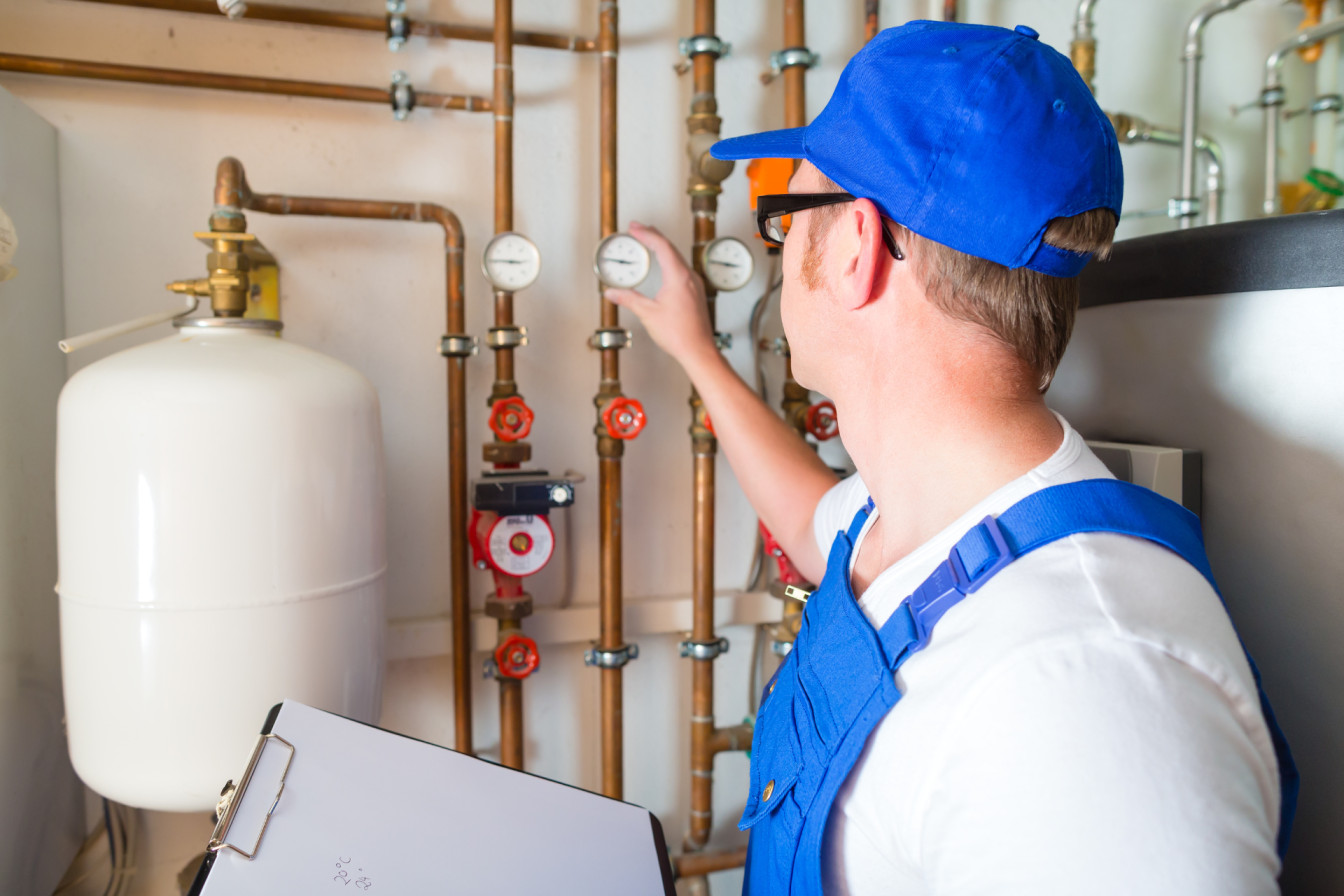
A well-regulated system ensures stable water pressure, improving both comfort and efficiency.Water pressure can be measured using a pressure gauge, which is typically attached to a hose bib or plumbing outlet. This device provides a reading in PSI, allowing property owners or technicians to assess system performance.
Regular pressure testing helps identify issues such as leaks, blockages, or faulty regulators. It is an important part of routine plumbing maintenance and system diagnostics.Monitoring water pressure over time ensures early detection of problems before they escalate into major system failures.
Role of Pumps and Pressure Tanks
In systems where natural pressure is insufficient, pumps and pressure tanks play a critical role in maintaining consistent flow. Booster pumps increase water pressure by mechanically pushing water through the system.
Pressure tanks help stabilize fluctuations by storing pressurized water and releasing it as needed. This reduces strain on pumps and ensures a steady supply of water.These components are especially important in multi-story buildings and areas with inconsistent municipal supply.Inconsistent water pressure can negatively impact household and commercial appliances. Low pressure can cause washing machines and dishwashers to operate inefficiently or take longer cycles.
Water heaters may also struggle to function properly when pressure is insufficient, affecting temperature consistency and performance.High pressure, on the other hand, can damage internal components, leading to leaks, breakdowns, and reduced appliance lifespan.Maintaining balanced water pressure is therefore essential for protecting investments in home and business equipment.
Plumbing System Design and Pressure Balance
Proper plumbing design ensures that water pressure is distributed evenly throughout a building. Pipe sizing, layout, and material selection all influence how effectively water flows.Long or narrow pipes can reduce pressure, while poorly designed systems may cause uneven distribution between different floors or sections of a building.
Professional plumbing design takes into account demand levels, elevation changes, and usage patterns to ensure consistent water pressure throughout the system.Regular maintenance is key to preserving stable water pressure. This includes inspecting pipes for leaks, cleaning aerators and fixtures, and checking pressure regulators for proper function.
Flushing the plumbing system periodically helps remove sediment buildup that may restrict flow. Identifying and repairing leaks early prevents pressure loss and water waste.Routine monitoring ensures that water pressure remains within optimal ranges, improving system efficiency and longevity.
Environmental and Efficiency Considerations
Efficient water pressure management also contributes to environmental sustainability. Excessively high pressure often leads to increased water consumption, as more water flows than necessary through fixtures.
By maintaining optimal pressure levels, households and businesses can reduce water waste and lower utility costs. Efficient systems also place less strain on infrastructure, contributing to longer system lifespan and reduced maintenance needs.Several solutions are available for addressing water pressure issues. Pressure regulators can be installed or adjusted to control excessive flow. Booster pumps can be added to increase insufficient pressure.
Pipe cleaning or replacement may be necessary in cases of severe blockage or corrosion. Leak detection and repair also play an important role in restoring normal system performance.These corrective measures help restore balanced water pressure and improve overall plumbing functionality.
Future Trends in Water Pressure Management
Modern plumbing systems are increasingly incorporating smart technology for real-time monitoring and control. Digital pressure sensors and automated control systems allow users to track and adjust water pressure remotely.
These systems improve efficiency by detecting irregularities early and optimizing flow based on usage patterns. Integration with smart home systems is also becoming more common, offering greater control and convenience.
Advancements in materials and system design continue to improve the reliability and efficiency of water pressure management.
Conclusion
Water pressure is a fundamental aspect of any plumbing system, directly influencing comfort, efficiency, and infrastructure performance. When properly balanced, it ensures smooth water delivery across all fixtures and appliances while preventing damage and inefficiency.
Understanding the causes of pressure fluctuations, maintaining proper regulation, and implementing routine maintenance are essential steps in ensuring long-term system reliability.
Ultimately, effective management of water pressure contributes to improved water efficiency, reduced repair costs, and enhanced overall performance of residential and commercial plumbing systems. A well-maintained system with stable water pressure ensures consistent functionality, safety, and long-term value for any property.
Visit: India Post Tracking
