
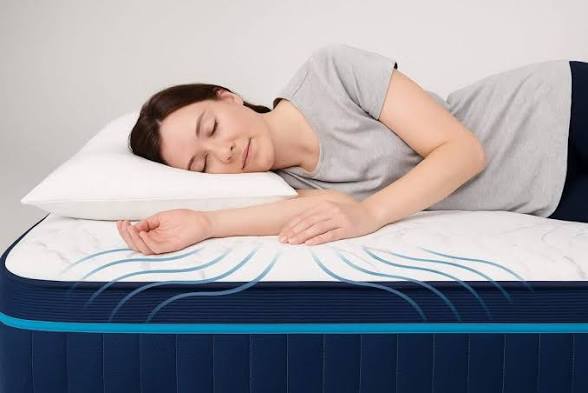
The quest for a perfect night’s sleep has driven remarkable innovation in material science, turning what was once a simple piece of furniture into a highly engineered, precision-controlled sleep environment. Historically, sleepers were at the mercy of their bedding materials, which often trapped heat and caused discomfort, leading to restless nights and interrupted sleep cycles. Today, the landscape of sleep technology has been fundamentally transformed.
Modern mattresses are no longer static platforms; they are sophisticated systems designed to work in harmony with the human body’s natural thermoregulation process. As we spend a significant portion of our lives in bed, understanding how these advancements actively manage temperature—absorbing excess heat, promoting ventilation, and moisture-wicking—is crucial for anyone seeking to optimize their rest.
The evolution from heat-trapping, dense foam structures to dynamic, breathable hybrids represents a critical breakthrough, ensuring that your body maintains the ideal temperature range required for deep, restorative slow-wave sleep. By bridging the gap between passive comfort and active thermal management, these new technologies are helping sleepers everywhere achieve the consistent, high-quality rest that is vital for long-term health and daytime performance.
The Science of Thermoregulation and Sleep
Your body possesses a built-in thermostat that naturally dips your core temperature by approximately one degree Celsius to trigger the onset of deep sleep. If a mattress is poorly designed and traps your body heat, it effectively sabotages this internal signal, keeping you in a state of light, restless sleep. Modern engineering addresses this by focusing on heat dissipation mechanisms. Advanced materials, such as open-cell memory foam, are now designed with microscopic pores that act as air tunnels, allowing warm air to escape rather than accumulate around your body.
When you move throughout the night, these air tunnels facilitate a continuous exchange of air, which is the most effective way to prevent thermal buildup. By keeping your skin and core temperature stable, these mattresses allow you to fall asleep faster and remain in restorative sleep stages for longer, ultimately improving the overall architecture of your nightly rest.
Cooling Innovations: From Gel Beads to Phase-Change Materials
Beyond structural changes, material science has introduced active cooling components into the mattress core itself. One of the most common and effective innovations is the integration of gel-infused foams. These gel beads act as thermal conductors, physically absorbing excess heat from your skin and pulling it away from the surface of the bed. For those seeking even higher performance, Phase-Change Materials (PCMs) offer a proactive approach.
Originally developed for aerospace applications, PCMs are integrated into fabrics or foam layers to absorb heat as it rises and release it when the environment cools down. This dynamic process actively regulates your microclimate, ensuring that the mattress surface stays within a comfortable thermal window throughout the night. By moving beyond passive cooling, these materials create an environment that feels consistently pleasant, regardless of the ambient room temperature or how much body heat you naturally generate.
The Hybrid Advantage: Airflow and Ventilation Architecture
The construction of the mattress base plays an equally pivotal role in temperature control, which is why hybrid designs have become the gold standard for cooling. By combining foam comfort layers with a pocket spring core, manufacturers create a natural “highway” for air to circulate vertically through the mattress. Each pocket spring acts as a mini air shaft, drawing warm air away from the sleeping surface and pushing it out through the edges of the bed.
This constant airflow, combined with breathable, moisture-wicking outer covers made from materials like Tencel or bamboo, ensures that perspiration is managed effectively. When these elements work in tandem, they create a highly breathable ecosystem that stops thermal energy from accumulating. This structural approach is significantly more effective than relying on a single material, as it leverages the unique strengths of both support systems and comfort layers to dump heat fast.
Final Thoughts
The evolution of sleep technology has fundamentally changed the way we approach rest, moving us toward a future where “sleeping hot” is a problem of the past. Modern mattresses have become dynamic participants in our health, utilizing intelligent designs like open-cell structures, conductive gel infusions, and active airflow systems to ensure our body temperature stays in the optimal range.
By investing in a mattress that prioritizes thermal regulation, you are doing more than just buying a soft place to lie down; you are investing in a system that protects your sleep architecture and enhances your nightly recovery. As this technology continues to advance, the gap between a standard bed and a high-performance sleep system continues to widen. If you struggle with waking up overheated, modern cooling technology offers the best pathway to reclaiming a refreshing, uninterrupted, and consistent night’s sleep, ensuring you wake up ready to tackle the day with renewed energy and focus.
Frequently Asked Questions (FAQs)
1. How do cooling gel beads actually work in a mattress?
Cooling gel beads are embedded into foam layers to act as thermal conductors. They absorb excess body heat faster than standard foam, spreading that thermal energy across a larger surface area so it can dissipate more easily, keeping the mattress surface cooler.
2. Is open-cell foam really better than traditional memory foam?
Yes, for temperature regulation. Traditional closed-cell memory foam traps heat because it lacks airflow. Open-cell foam features microscopic, interconnected pores that create channels for air to move through, which significantly reduces heat accumulation.
3. What is the benefit of a hybrid mattress for hot sleepers?
Hybrid mattresses combine foam comfort layers with a spring support system. The gaps between the springs create natural channels for vertical airflow, which helps push warm air out of the mattress core more efficiently than a solid foam block ever could.
4. Do cooling mattress covers make a noticeable difference?
They can, especially when made with moisture-wicking fabrics like Tencel or bamboo. These materials pull sweat away from your skin, which helps your body’s natural cooling process work more effectively, preventing you from feeling sticky or damp during the night.
5. Are Phase-Change Materials (PCMs) worth the extra cost?
If you are a chronically hot sleeper, PCMs are often worth the investment. They are proactive materials that sense temperature changes and absorb heat when you are warm and release it when you cool down, providing a more stable and consistent microclimate than gel-infused foam alone.