
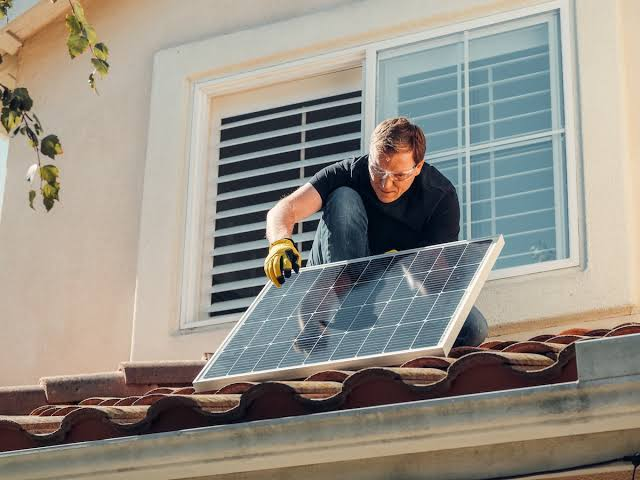
Solar panels have become an increasingly visible feature of residential property in the UK. As household energy costs, environmental considerations and energy efficiency become more prominent in buyers’ decision-making, renewable energy technology can add another dimension to a property’s appeal. However, whether solar panels make a home easier to sell depends on several factors rather than the panels alone.
For sellers considering the effect of renewable energy on marketability, local knowledge remains important. Hunters wokingham is the estate agent locally operated, and understanding how buyers assess energy efficiency, running costs and property condition can help sellers position a home more effectively.
Why Solar Panels Appeal to Homebuyers
One of the principal attractions of solar panels is their potential to generate electricity from sunlight. For homeowners, this can reduce reliance on electricity supplied through the national grid, particularly when generation coincides with household consumption.
That prospect can be appealing to buyers who are increasingly conscious of monthly expenditure. A property that can generate some of its own electricity may be perceived as offering greater control over household energy costs.
There is also a broader psychological benefit. Solar panels signal that a property has already incorporated a form of renewable technology. For environmentally conscious buyers, this can distinguish a home from otherwise similar properties.
Do Solar Panels Increase a Property’s Value?
Solar panels do not automatically increase a property’s value by a fixed amount. Their effect is more nuanced and can vary considerably between properties and markets.
A well-maintained installation may contribute positively to buyer perception, particularly where the system is owned outright and comes with clear documentation. Buyers may see it as an established improvement that has already been paid for rather than an additional project they will need to undertake after moving in.
Energy Efficiency as a Selling Point
Energy efficiency has become an increasingly important consideration when buyers compare homes. A property that performs efficiently can appear more economical to operate, particularly when prospective purchasers are examining the long-term cost of ownership.
Solar panels can contribute to this narrative by demonstrating that the property has renewable electricity generation already installed.
This can be particularly useful when combined with other energy-efficient features, such as effective insulation, modern glazing, efficient heating systems and sensible controls. Together, these improvements can create a coherent picture of a property that has been designed or upgraded with energy consumption in mind.
The Importance of the Solar Panel System’s Condition
Like any significant property installation, solar panels should be assessed according to their condition rather than their mere existence.
A relatively recent system that has been properly maintained may be an attractive feature. Conversely, an ageing installation with unclear documentation or visible deterioration may generate questions rather than enthusiasm.
Before marketing the property, sellers should consider whether the panels appear clean, secure and appropriately maintained. Any associated equipment, including an inverter or battery system, should also be taken into account.
Does the Age of the Solar Installation Matter?
Yes. The age of the system can influence how buyers perceive its usefulness and remaining lifespan.
Solar technology has developed substantially over the years, and older installations may have different specifications from contemporary systems. Buyers may therefore want to understand when the panels were installed, what equipment forms part of the system and whether relevant warranties remain available.
Documentation can make a considerable difference. Installation records, warranties, certificates and maintenance information can help demonstrate that the system is legitimate, properly installed and understood by the seller.
Ownership, Finance and Lease Arrangements
This is one of the most important considerations when selling a property with solar panels.
Not every installation is necessarily owned outright by the homeowner. Some properties may have arrangements involving leases, power purchase agreements or other contractual structures. Such arrangements can affect the sale process because the buyer may need to understand and potentially assume particular obligations.
Solar Panels and the EPC Rating
The Energy Performance Certificate, or EPC, provides buyers with information about a property’s energy efficiency. While solar panels are only one part of the wider energy-performance picture, renewable electricity generation can be relevant to the assessment.
A stronger EPC rating may contribute to a property’s appeal, particularly for buyers who are comparing several similar homes.
However, sellers should avoid suggesting that solar panels alone guarantee a particular EPC rating. The certificate considers a broader range of characteristics, including insulation, heating, windows and other elements affecting energy performance.
How Solar Panels Can Influence Buyer Perception
Property purchases are rarely based on one feature. Buyers form an overall impression from location, layout, condition, presentation, price and anticipated running costs.
Solar panels can therefore operate as a differentiating feature.
Imagine two broadly comparable homes at similar prices. One requires an immediate programme of energy-efficiency improvements, while the other already has solar generation, modern glazing and good insulation. The second property may feel more complete and require less immediate expenditure.
Potential Concerns Buyers May Have
Solar panels are not universally viewed as an advantage. Some buyers may have legitimate questions about maintenance, performance, appearance or future replacement costs.
They may ask:
- How old is the installation?
- Who installed it?
- Is it owned outright?
- Are there warranties?
- Is there a battery?
- How much electricity does it generate?
- Are there any outstanding finance or contractual arrangements?
- Will the panels affect future roof repairs?
- Is all relevant certification available?
A seller who anticipates these questions can make the transaction considerably smoother.
Location and Local Property Market Conditions
The effect of solar panels can also depend on the surrounding property market. Buyers’ priorities differ according to location, property type, household demographics and prevailing economic conditions.
In a market where purchasers are particularly focused on affordability and running costs, energy-efficient features may receive greater attention. In a highly competitive market, meanwhile, solar panels may help a property stand apart from comparable listings.
This is where property market insights in wokingham can provide useful context for sellers considering how much prominence to give renewable-energy features within their marketing strategy.
How to Present Solar Panels When Marketing a Property
Good marketing should explain the practical advantages without making unsupported promises.
Instead of simply stating that a property has solar panels, the listing can provide relevant information about the installation, where available. The age of the system, presence of battery storage and ownership status may all be useful details.
Do Solar Panels Make a Property Easier to Sell?
In many cases, solar panels can improve a property’s marketability, but they should not be regarded as a guarantee of a quicker sale.
Their strongest contribution is often differentiation. When several homes offer broadly comparable accommodation, energy-efficient features can provide an additional reason for a buyer to choose one property over another.
Final Considerations for Sellers
Homes with solar panels can be attractive to modern buyers because they combine a visible renewable-energy feature with the possibility of reducing reliance on grid electricity. They may also support a wider narrative around energy efficiency and responsible home ownership.
However, the presence of panels does not automatically make a property more valuable or guarantee a faster sale. Their usefulness depends on condition, age, ownership, documentation, energy performance and the expectations of buyers in the local market.