
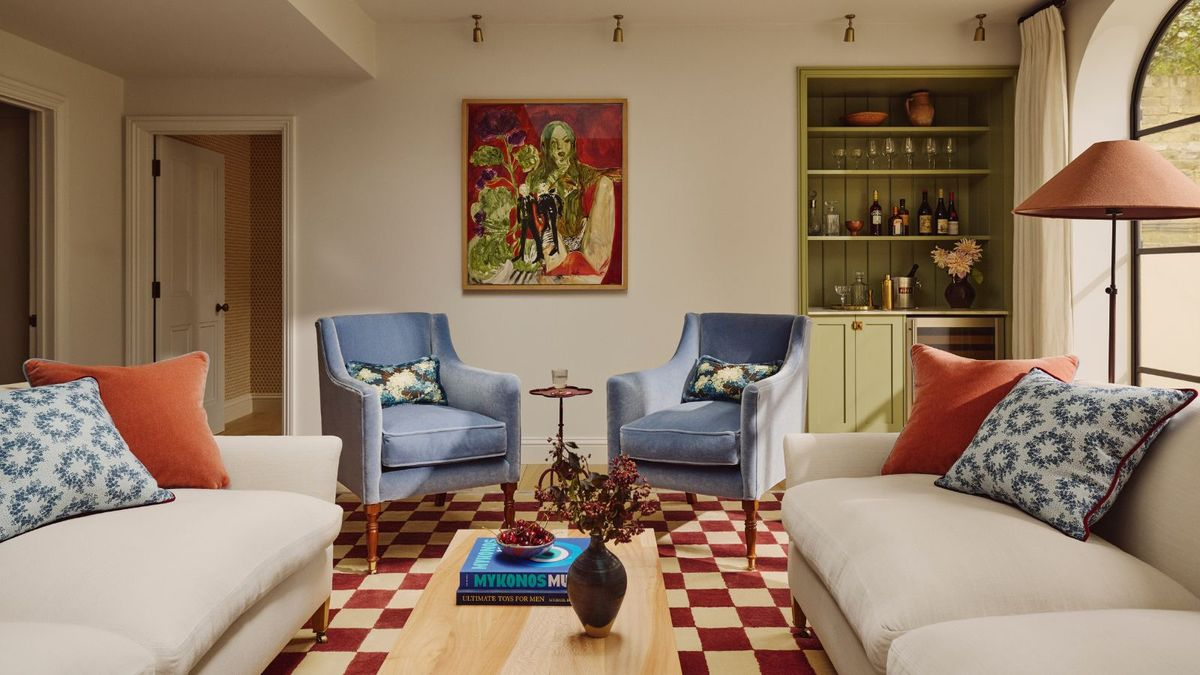
Opening a guest house in Kensington creates an unusual furnishing challenge. Guests associate the area with elegant townhouses, museums, embassies and expensive hotels, yet a new operator may have a limited opening budget. The furniture must support that prestigious setting without consuming money needed for building work, marketing, staffing and daily operations.
Affordable furniture should not look temporary or create constant maintenance problems. A £40 bedside table that needs replacement after six months costs more than a £90 table that lasts five years. The best purchasing decisions balance initial price, expected lifespan, cleaning time, repair options and the effect each item has on the guest experience.
A mixed buying strategy usually offers the strongest value. New mattresses and compliant upholstered items provide hygiene and safety advantages, while second-hand wooden furniture can reduce costs substantially. Flat-pack pieces work well in certain rooms, but heavily used communal areas may require contract-grade products. The goal is not to find one cheap supplier. It is to buy each type of furniture from the source best suited to it.
1. Define “Cheap” Before Buying Anything
A practical furniture budget starts with the number and type of rooms. List every bedroom, bathroom, corridor and shared area before visiting shops. Each space should have its own purchasing allowance, including delivery, assembly and minor installation work. Without this breakdown, decorative purchases can quietly consume money reserved for mattresses, dining chairs or essential storage.
A cost-per-room calculation makes quotations easier to compare. A basic double room may require a bed frame, mattress, headboard, two bedside surfaces, clothes storage, a desk or dressing table, a chair, a luggage rack, a mirror, curtains and lighting. Depending on the size and intended room rate, an economical package might cost £900 to £1,800 before bedding and electrical items. Buying several identical sets may reduce delivery and assembly charges.
A replacement allowance should sit beside the opening budget. Guest-house furniture receives harder use than furniture in a private home. Suitcases strike walls and desks, drinks spill on tables, and drawers may be pulled with more force than their fittings can withstand. Reserving part of the budget for early repairs prevents one damaged chair or wardrobe door from disrupting an occupied room.
Mattresses deserve the largest share of the bedroom allowance. Guests may forgive a simple bedside table, but they will mention an uncomfortable bed in reviews. A supportive mid-range mattress paired with an uncomplicated frame brings more value than an elaborate bed with a poor sleeping surface. Mattress protectors also reduce staining and delay replacement.
Seating deserves similar attention because weak chairs create safety and maintenance risks. A domestic dining chair may look suitable but loosen after repeated daily use. Commercial or contract-grade chairs cost more initially, yet manufacturers often design them for greater weight, frequent cleaning and repeated movement. Ask suppliers for weight limits, test information and warranties rather than relying on appearance.
Decorative furniture provides the safest place to reduce spending. Mirrors, occasional tables, narrow consoles and wooden bedside cabinets can come from charity shops, hotel clearances or online marketplaces. Small differences between rooms can feel intentional when colours and materials remain consistent. Matching every item perfectly matters less than maintaining a clear visual theme.
Kensington suits restrained design better than excessive imitation luxury. Warm wood, muted green, navy, stone, cream and black metal can refer to the area’s traditional architecture without fake gold finishes or oversized velvet pieces. One framed print, a good lamp and a simple upholstered headboard can create a stronger room than several unrelated decorations.
Measurements should control every purchase. Kensington contains many converted houses with narrow stairs, basement rooms, uneven walls and awkward landings. Measure entrances, corridors, stair turns, lifts and room doors as well as the final furniture position. A cheap wardrobe becomes expensive when it cannot reach the bedroom.
Delivery restrictions also affect the real price. Limited parking, controlled parking zones and short loading periods can increase courier charges or cause failed deliveries. Grouping orders, confirming access in advance and reserving an appropriate loading space can reduce these costs. Ask suppliers whether delivery includes carrying items upstairs, placing them in rooms or removing packaging.
2. Build Every Guest Room from the Bed Outwards
A divan base offers a sensible starting point for many guest houses. It normally requires less assembly than a slatted frame, has few exposed corners and can include drawers. A neutral upholstered base also works with several headboard styles. Check the fabric carefully, however, because pale material near the floor quickly develops marks from shoes, cleaning equipment and luggage.
A metal bed frame provides another economical option. Good commercial models are sturdy, easy to inspect and less vulnerable to chipped veneer. They also leave space underneath for cleaning. Avoid thin decorative frames with complicated joints, exposed bolts or squeaking connections, as regular tightening will add maintenance work.
A solid wooden frame can suit larger or higher-priced rooms. Timber creates warmth and can survive refinishing, but construction quality varies widely. Inspect the centre support, slats and joints rather than judging the frame by the headboard. Veneered particleboard may resemble solid wood in photographs but reacts poorly to water and repeated impacts.
Zip-and-link beds can increase the number of bookings a room can accept. Two connected single mattresses form a large double bed, while separating them accommodates friends, colleagues or older children. This arrangement costs more than a fixed double and requires suitable linen, but it can improve occupancy when the guest mix changes throughout the week.
Sofa beds should be reserved for rooms with enough open floor space. They can increase capacity for families, but daily conversion causes wear and complicates housekeeping. Test the mechanism, mattress thickness and usable floor area when open. A compact sofa bed that blocks the bathroom or escape route creates more trouble than value.
Mattress construction should match the room category rather than follow advertising terminology. Open-coil mattresses cost less but can transfer movement and lose support sooner under heavy use. Pocket-sprung models respond more independently to each sleeper and often provide better durability. Foam can work in budget rooms, although heat retention may concern some guests. Hybrid mattresses combine springs and foam but vary greatly in quality.
Medium-firm mattresses serve the broadest range of guests. Extremely firm models can feel punishing, while very soft mattresses show wear quickly and may make movement difficult for older visitors. Test samples in person where possible and confirm whether the supplier allows commercial use under its warranty. A domestic warranty may exclude accommodation businesses.
Mattress protection should form part of the original order. Use a breathable waterproof protector beneath a washable quilted protector when practical. The waterproof layer protects the asset, while the upper layer improves comfort and can be changed frequently. Keep spare protectors on site so a late stain does not take a room out of service.
Headboards should be simple, secure and easy to clean. Wall-mounted models leave fewer gaps and prevent movement, although installation must suit the wall construction. Faux leather wipes clean but can peel over time. Textured woven fabric hides small marks but may require vacuuming. Deep buttoning looks traditional, yet its folds collect dust and slow housekeeping.
Bedside furniture does not need to consist of two conventional cabinets. A small wall shelf can serve a narrow side of the bed, while a drawer unit can occupy the wider side. Wall-mounted surfaces simplify floor cleaning and make compact rooms feel less crowded. Each sleeping position still needs access to a light, charging point and somewhere to place a drink or phone.
Open clothes storage often works better than a cheap wardrobe. A strong rail with a shelf gives guests immediate visibility and removes doors, hinges and drawer runners that might fail. It also allows staff to notice forgotten clothing quickly. Add six to eight matching hangers and a few hooks, but keep the floor below clear enough for luggage.
Enclosed wardrobes remain useful in premium rooms and for longer stays. Select shallow models where floor space is limited, and check that doors can open without striking the bed. Sliding doors save operating space but require clean, durable tracks. Tall units should receive suitable anchoring according to the product instructions and wall type.
A luggage rack prevents suitcases from damaging beds, desks and wallpaper. Folding timber or metal racks occupy little space and are easy to replace. A built-in bench can offer seating and storage in a larger room, although upholstery increases cleaning work. Choose dark straps or wipeable tops that disguise scuffs.
A narrow desk can perform several functions. Guests may use it for work, make-up, tea preparation or storage, so the surface should resist heat and moisture. A wall-mounted table suits a very small room, while a compact freestanding desk can be moved during maintenance. Avoid delicate veneer near kettles unless a separate hospitality tray protects it.
Desk chairs should be comfortable without resembling large office chairs. A compact timber chair with an upholstered seat works in a traditional room, while a moulded polypropylene chair provides easier cleaning. Check that the chair fits fully beneath the desk. An attractive chair that permanently obstructs the walkway will make the room feel smaller.
Mirrors provide considerable value for their cost. A full-length mirror near natural light helps guests dress, while a second mirror above the desk creates a dressing area. Wall mounting saves floor space and reduces the chance of accidental movement. Position mirrors away from places where open doors or suitcases may strike them.
Curtains influence sleep more than many decorative purchases. Use lined curtains or blinds that control early summer light and street illumination. Check window measurements individually because older buildings rarely have perfectly consistent openings. Washable or professionally cleanable fabrics reduce long-term complications.
A three-level bedroom package can prevent uncontrolled spending. Economy rooms might use metal frames, open rails, wall shelves and compact desks. Standard rooms could add divan storage, upholstered headboards and enclosed bedside cabinets. Premium rooms might receive zip-and-link beds, pocket-sprung mattresses, armchairs and better wardrobes. Consistent colours will connect the categories even when their furniture differs.
3. Furnish Shared Spaces Around Real Guest Behaviour
The entrance should communicate order within seconds. A slim console, clear sign, mirror and warm lamp can establish the tone without filling the hall. Leave generous space for bags and groups arriving together. Kensington properties often have narrow entrances, so deep cabinets and large decorative chairs can quickly create congestion.
Reception furniture should reflect the operating model. A staffed property may need a lockable desk with cable management, document storage and space for payment equipment. A guest house using self-check-in may require only a wall-mounted shelf, key system and discreet storage cupboard. Buying a hotel-style reception counter without a clear operational need wastes both money and floor area.
Breakfast furniture needs strength, cleanable surfaces and adaptable positioning. Small square tables can stand separately during quiet periods and join together for families. Round tables improve movement around tight corners but are harder to combine. Laminate, sealed timber and quality compact laminate cope better with frequent wiping than untreated wood.
Dining chairs should remain light enough for staff to move. Stackable models help when the room hosts different group sizes or requires deep cleaning. Upholstered seats add comfort but increase the risk of stains. A wooden or moulded chair with a replaceable seat pad may provide a useful compromise.
Bench seating can use a wall efficiently, particularly in a narrow breakfast room. Fixed restaurant booths may look inviting, but they cost more, complicate floor cleaning and limit future layout changes. A freestanding bench provides a similar benefit without committing the room to one arrangement.
The lounge should offer several types of seating rather than one oversized sofa. A compact sofa, two armchairs and small movable tables can serve couples, solo travellers and families. Modular seating helps operators replace one damaged unit instead of an entire suite. Leave clear routes between the entrance, stairs and exits.
Sofas require closer inspection than occasional chairs. Removable cushion covers help with cleaning, but loose cushions may lose shape or migrate around the room. Fixed cushions look tidier but make repairs harder. Dark blue, olive, charcoal and patterned mid-tone fabrics hide minor wear better than cream or solid black.
Side tables should be inexpensive, stable and easy to lift. Guests need somewhere to place drinks, laptops and room keys, but delicate glass tables add cleaning and breakage concerns. Nesting tables can serve several seating groups during busy periods and occupy little space when not needed.
Charging should be incorporated without buying costly technology furniture. Place standard sockets with USB capability near tables and seating where suitable, using a qualified electrician for electrical work. Avoid loose extension leads crossing walkways. A guest is more likely to value an accessible socket than an ornamental cabinet.
Outdoor furniture should match the size and supervision of the space. Powder-coated metal and commercial polypropylene tolerate London weather better than untreated softwood. Folding tables can help on small terraces, but they need secure storage during strong wind or winter. Cushions should have removable covers and a dry storage location.
Shared-space accessories should support maintenance rather than obstruct it. Large rugs can soften noise but require regular cleaning and secure anti-slip backing. Numerous cushions create laundry and storage work. Plants add colour, though artificial varieties may gather dust and real ones need reliable care. Every item should justify the time required to maintain it.
Lighting can make modest furniture appear more coherent. Use warm bulbs with consistent colour temperature, then combine ceiling lights with table or wall lamps. Guests need bright light at breakfast and softer light in the lounge. Avoid unusual decorative bulbs that become difficult to replace quickly.
Artwork offers an economical connection to Kensington. Prints relating to local architecture, gardens, museums or historical maps can give the property a clear identity. Use standard frame sizes so damaged glazing or frames are easy to replace. Secure heavy pieces properly and keep protruding frames away from narrow routes.
Acoustic comfort also affects furniture selection. Upholstered seating, lined curtains and rugs can reduce echo in breakfast rooms and lounges, but each fabric adds cleaning demands. Felt wall panels or fabric-covered acoustic products may help in noisy converted buildings. Choose products with appropriate fire-performance information and include them in the property’s fire-risk considerations.
4. Buy New, Used and Contract Furniture Strategically
Flat-pack retailers offer useful furniture for low-impact locations. IKEA, Argos, Dunelm and similar businesses sell standard-sized desks, shelving, mirrors and bedside units at accessible prices. Their ranges also make it easier to replace a damaged item. Check stock continuity, because colours and product dimensions can change between collections.
Flat-pack wardrobes require more caution. Thin back panels, light hinges and cam fittings may struggle with repeated guest use or frequent movement. If flat-pack storage fits the budget, reinforce it only in line with the manufacturer’s instructions and anchor it correctly. Professional assembly may cost less than repairing poorly aligned doors across several rooms.
Online marketplaces provide broad choice but uneven information. Wayfair and other multi-brand sites sell products from many manufacturers, so two similar-looking chairs may have very different construction. Read dimensions, materials, weight limits, assembly details and commercial-use exclusions. Reviews about colour are less important than reports of loosened joints, broken frames or difficult assembly.
Charity furniture shops can supply solid chests, desks, dining tables and bedside cabinets at low prices. British Heart Foundation furniture shops are one familiar option, while independent charities may offer local delivery. Visit in person when possible. Photographs rarely reveal drawer movement, water damage, odours or loose joints.
Second-hand solid-wood furniture often provides better value than new low-cost particleboard. Scratched timber can be cleaned, sanded or touched up, while swollen fibreboard rarely recovers from water damage. Look beneath tables and inside drawers for construction clues. Dovetail joints are useful, but overall stability matters more than traditional detailing.
Hotel and office clearances can produce strong furniture in matching quantities. Hotel stock may include headboards, luggage racks, bedside units and bedroom chairs, while office liquidations can supply desks, shelving and reception furniture. Ask why the items were removed, inspect several examples and confirm whether the quoted price includes VAT and delivery.
Auction lots can reduce the unit cost but create logistical risk. Buyers may need to remove everything within a narrow collection window, and large lots can contain unusable pieces. Calculate transport, labour, storage and disposal before bidding. A low hammer price does not represent the final cost.
Facebook Marketplace and Gumtree work best for targeted local purchases. Search for precise items within a manageable distance, request dimensions and inspect before payment. Avoid upholstered furniture without clear compliance information or items showing pest damage, damp or strong odours. Never let urgency replace a basic inspection.
Ex-display furniture can bridge the gap between new and second-hand stock. Retailers may discount beds, wardrobes and chairs after showroom use, although cosmetic marks are common. Confirm that fixings, shelves and instructions are included. Ask whether the normal warranty still applies and obtain the answer in writing.
Contract furniture makes sense in breakfast rooms, lounges and high-occupancy bedrooms. Suppliers may provide test information, replaceable parts, fabric choices and volume pricing. A contract-grade chair is not automatically comfortable or attractive, so request samples before ordering a full set. Sit on it, move it, clean a test mark and inspect the joints.
A sample room should precede the main order. Furnish one bedroom completely, then walk through each activity a guest and housekeeper will perform. Open the wardrobe, pull out the chair, place a suitcase on the rack, make the bed and clean beneath every item. Small conflicts become obvious when the room is used rather than viewed on a plan.
Bulk ordering should follow the sample-room test. Ask suppliers for trade discounts, consolidated delivery, spare parts and replacement lead times. A discount on ten wardrobes has little value if the handles cannot be replaced. Buying a few spare chairs, lampshades or bedside units may reduce future room closures.
Colour consistency can unite furniture from different sources. Dark stained wood, black metal and neutral fabrics can connect second-hand tables with new beds and contract chairs. Replacing mismatched handles also creates a more deliberate appearance. Keep a record of paint colours, stain products, fabric codes and supplier references.
5. Test Every Purchase for Safety and Daily Operations
Fire safety must influence the furnishing plan from the beginning. Paying guest accommodation in England falls under fire-safety duties, and the person responsible for the premises must carry out and record an appropriate fire-risk assessment. Government guidance includes a dedicated route for small guest houses with simple layouts and a limited number of bedrooms; larger or more complicated premises need the broader sleeping-accommodation guidance. Owners should identify which guidance fits their property before opening. UK government guidance
Upholstered furniture requires particular care. The Furniture and Furnishings (Fire) (Safety) Regulations cover products including sofas, armchairs, sofa beds, mattresses and many other upholstered items. Changes introduced in 2025 removed the requirement for display swing labels, but they did not remove permanent-label requirements. Second-hand suppliers must still meet relevant duties, making an intact permanent label important when sourcing used upholstery. Furniture safety regulations
Escape routes should remain free from furniture and stored luggage. A chair that looks harmless during staging may narrow a corridor when a guest leaves a suitcase beside it. Walk every route with bedroom doors open and consider how guests unfamiliar with the building would move at night. The fire-risk assessment should guide final placement rather than decoration alone.
Furniture stability needs a documented check before each room enters service. Sit on chairs, apply controlled pressure to tables, inspect bed supports and open every drawer. Tighten fixings after the first weeks of use because newly assembled furniture can settle. Add periodic furniture inspections to the housekeeping or maintenance schedule.
Tall storage units should be secured where their design and manufacturer’s instructions require it. Wall construction in Kensington buildings varies, so the correct fixing for masonry may not suit plasterboard or a lath-and-plaster partition. A competent installer should select the fixing method, particularly for heavy wardrobes, mirrors and wall-mounted desks.
Cleaning trials can reveal poor purchases before bulk ordering. Apply a small amount of the intended cleaning product to a hidden area and check for colour change, swelling or surface damage. Deep grooves, unfinished edges and elaborate handles trap dirt. Smooth surfaces and accessible legs reduce room-turnaround time.
Repairability should influence final comparisons. Chairs with replaceable glides, desks with standard handles and sofas with removable covers can stay in service longer. Ask whether the supplier sells individual components. Keep a labelled box of spare fixings rather than discarding unused parts after assembly.
A furniture register can control maintenance across the property. Record each item’s room, supplier, purchase date, model, price, warranty and fire-safety information. Attach photographs of labels and receipts. When an item fails, staff can identify the correct replacement without searching old emails or moving furniture.
Guest feedback should guide later upgrades. Repeated comments about mattress comfort, desk size, storage or lighting deserve more attention than isolated opinions about style. Track comments by room because the furniture may not be the only cause. A poorly positioned bed or noisy floor can be mistaken for a mattress problem.
The strongest opening plan combines restraint with deliberate spending. Buy new mattresses, protect them properly and choose sturdy bed bases. Use contract-grade seating where turnover is high. Source solid wooden storage and decorative pieces second-hand when condition and safety permit. Test one room before furnishing the rest, and preserve money for repairs after opening.
Affordable furnishing in Kensington does not require every room to look cheap or identical. Consistent colours, sensible proportions and a few well-chosen details can create a polished guest house from several furniture sources. Guests will remember a comfortable bed, convenient storage, accessible charging and a calm breakfast room far longer than the name printed on a bedside cabinet.