
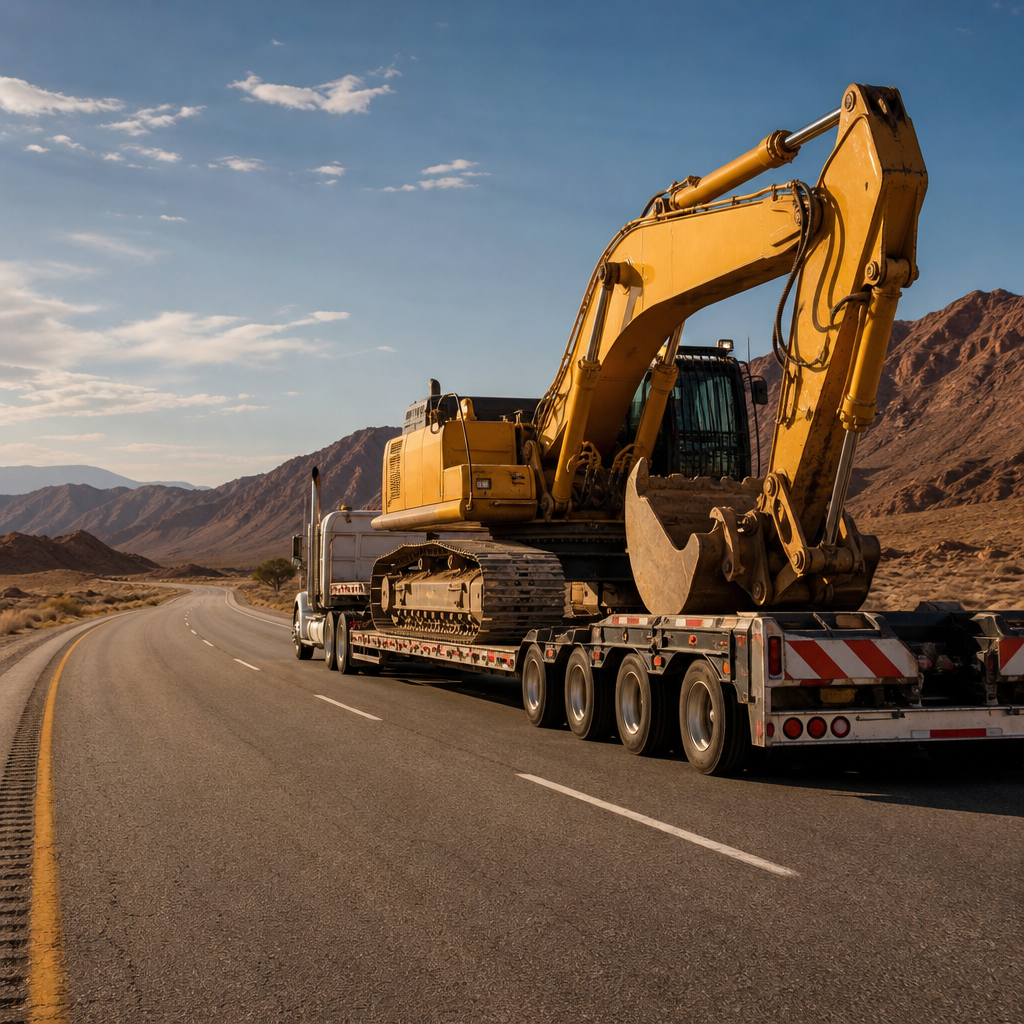
Transporting oversized cargo across California is not simply a matter of loading freight onto a flatbed and hitting the highway. The state enforces some of the most detailed and strictly regulated permitting requirements in the country, and failing to comply can result in costly fines, project delays, and serious safety hazards. Whether you are moving industrial machinery, prefabricated structures, wind turbine components, or construction equipment, understanding the permitting landscape is essential before a single wheel turns. This guide breaks down the key elements of the oversize load permit process in California, helping carriers, shippers, and logistics coordinators make informed decisions and avoid common pitfalls.
What Qualifies as an Oversize Load in California?
California law defines an oversize load as any vehicle or combination of vehicles that exceeds standard legal size or weight limits established by the California Department of Transportation (Caltrans) and the California Vehicle Code. The general thresholds are as follows: a width exceeding 8 feet 6 inches, a height exceeding 14 feet, a length exceeding 65 feet for a combination vehicle, or a gross weight exceeding 80,000 pounds. When any of these limits are surpassed, a special permit is required before the vehicle can legally operate on public roads. It is worth noting that some loads may exceed multiple thresholds simultaneously, which can complicate the permitting process and require additional safety measures such as escort vehicles, route surveys, and travel time restrictions.
Single-Trip vs. Annual Permits
California offers different permit types depending on the frequency and nature of the haul. A single-trip permit is issued for one specific movement along a designated route and is valid for a limited window of time. Annual permits, on the other hand, are designed for carriers who regularly transport loads that fall within certain standardized oversize categories. Annual permits reduce administrative burden for repeat haulers but come with their own set of conditions and restrictions. Choosing the right permit type requires a thorough understanding of your load dimensions, weight, route, and schedule — factors that experienced logistics professionals evaluate carefully before submitting any application.
The Permit Application Process: Step by Step
Applying for an oversize load permit in California involves several coordinated steps. First, the carrier must gather accurate measurements and weight data for the load and the transport vehicle. Inaccurate information at this stage can invalidate the permit and expose the carrier to liability. Next, a route analysis must be conducted to identify potential obstacles such as low bridges, weight-restricted roads, utility lines, and narrow lanes. Caltrans provides route guidance tools, but experienced permit specialists often conduct independent surveys to verify clearances and flag issues that automated systems may miss.
Once the route is confirmed, the application is submitted through the Caltrans online permitting system or through a licensed permit service. Processing times vary depending on the complexity of the load and the route. Simple loads on well-traveled corridors may receive approval within a day or two, while complex hauls involving multiple jurisdictions, sensitive infrastructure, or unusual dimensions can take considerably longer. Carriers should plan permit timelines well in advance to avoid project delays.
Escort Vehicle and Pilot Car Requirements
Many oversize loads in California require one or more escort vehicles, commonly referred to as pilot cars. These vehicles travel ahead of or behind the load to warn other motorists, assist with navigation, and ensure safe passage through intersections and tight corridors. The number and positioning of escort vehicles depend on the specific dimensions of the load and the nature of the route. In some cases, law enforcement escorts are also required, particularly for extremely wide or tall loads traveling through urban areas or on high-traffic highways. Escort vehicle operators must meet state certification requirements, and their coordination with the hauling driver is critical to a safe and compliant move.
Travel Restrictions and Timing Windows
California imposes strict travel restrictions on oversize loads to minimize disruption to traffic and reduce safety risks. Most oversize loads are prohibited from traveling during peak commute hours, on weekends, on state holidays, and after dark. The specific restrictions depend on the load’s dimensions and the roads being used. Carriers who fail to observe these windows risk permit violations and may be required to pull over and wait until the authorized travel period resumes. Effective scheduling is therefore a critical component of any oversize haul, and experienced logistics teams build these constraints into their project timelines from the outset.
Why Professional Permit Assistance Matters
The complexity of California’s oversize load permitting system makes professional assistance not just convenient but often essential. Errors in permit applications, route planning, or compliance documentation can result in fines, load seizures, and significant project delays. Working with specialists who understand the nuances of state and local regulations ensures that every aspect of the move is handled correctly. California Oversize Load Permits require a thorough understanding of Caltrans regulations, local jurisdiction requirements, and route-specific conditions — expertise that dedicated logistics professionals bring to every haul, reducing risk and keeping projects on schedule.
The Role of Logistics Planning in Oversize Transport
Oversize load transport does not exist in isolation — it is one component of a broader logistics ecosystem that encompasses scheduling, communication, compliance, and risk management. Effective travel planning with smart logistics strategies can dramatically improve the efficiency and safety of oversize hauls, particularly when multiple stakeholders are involved across long distances. From coordinating with utility companies to arrange wire lifts, to communicating with local municipalities about road closures, the logistical demands of an oversize move require meticulous planning and real-time adaptability.
Technology and Modern Permitting Tools
The logistics industry has increasingly embraced digital tools to streamline the permitting and route planning process. GPS-based route analysis software, load management platforms, and real-time traffic monitoring systems have made it easier to identify potential hazards and optimize travel windows. However, technology is only as effective as the expertise behind it. Experienced permit specialists use these tools in combination with field knowledge and regulatory insight to develop haul plans that are both efficient and fully compliant with California law. Understanding what logistics truly encompasses — from planning and execution to compliance and communication — underscores why a comprehensive approach is always superior to a piecemeal one.
Bear Down Logistics: Expertise You Can Count On
Bear Down Logistics has built a strong reputation in the oversize and heavy haul transportation sector by combining deep regulatory knowledge with hands-on operational experience. Their team understands the full scope of California’s permitting requirements and works closely with clients to ensure that every move is planned, permitted, and executed with precision. From initial load assessment through final delivery, Bear Down Logistics provides end-to-end support that takes the guesswork out of complex transport operations. Their commitment to compliance, safety, and client communication makes them a trusted partner for carriers and shippers navigating California’s demanding regulatory environment.
Conclusion: Compliance Is Not Optional
California’s oversize load permitting system exists for good reason — to protect infrastructure, ensure public safety, and maintain the integrity of the state’s road network. For carriers and shippers, compliance is not merely a legal obligation; it is a professional standard that reflects the quality and reliability of their operations. By investing in proper permit acquisition, thorough route planning, and experienced logistics support, oversize haulers can move their loads efficiently, safely, and in full accordance with the law. In an industry where margins are tight and reputations are hard-won, getting the permitting process right from the start is always the smartest move.