
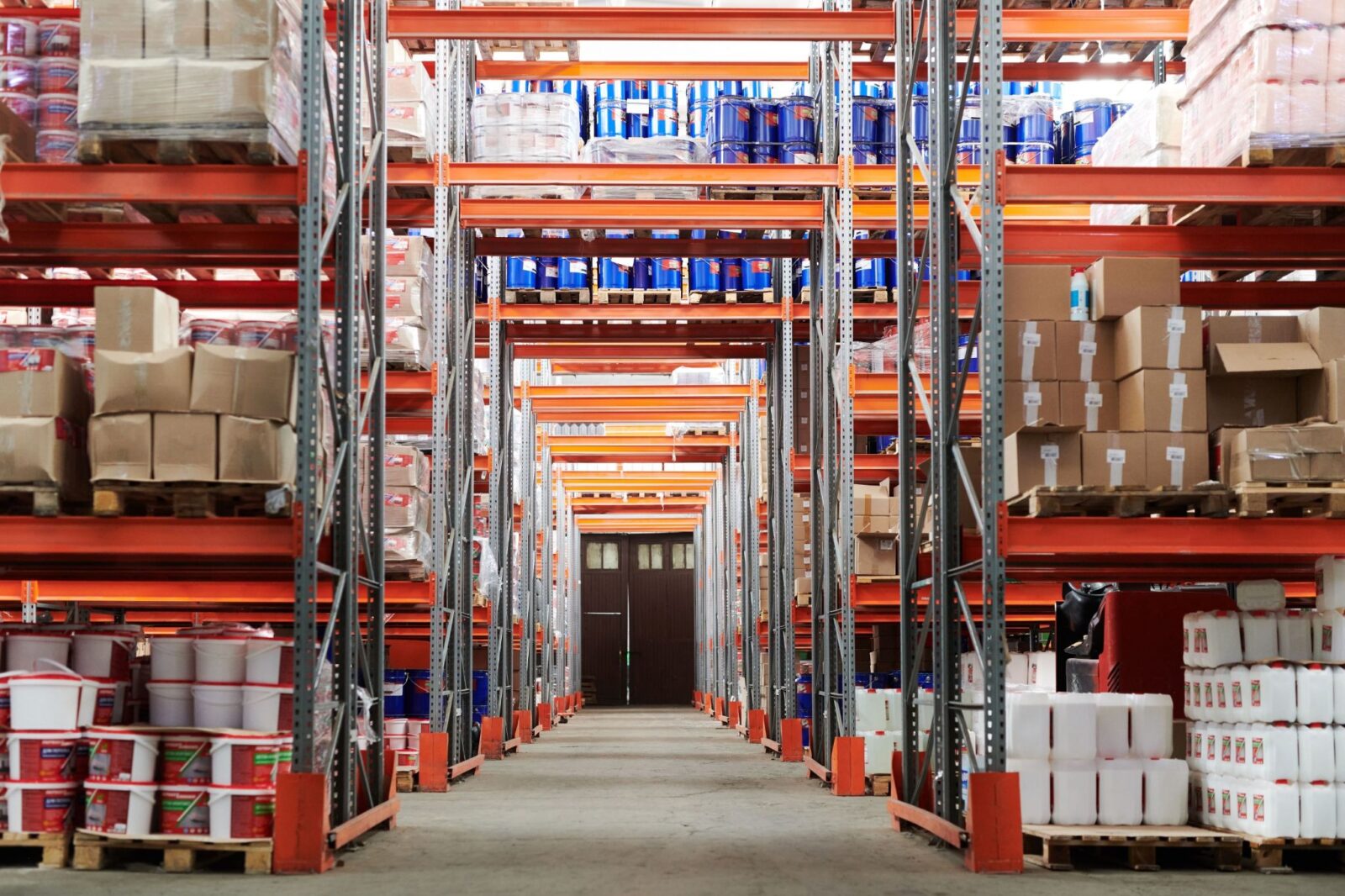
Racking work can affect picking routes, stock availability and vehicle movement, so postponing it may appear convenient during a busy period. That delay can create a larger operational problem if defects accumulate or an affected area must be taken out of use unexpectedly.
Identify maintenance demand before it becomes a backlog
Immediate damage reports, routine visual checks and expert inspections all create actions. These should enter one live work list rather than separate folders. Give each item a priority, owner and required completion date. The warehouse can then distinguish work suitable for a planned visit from damage that needs prompt isolation and remedial action.
Backlogs often develop quietly. A missing locking device, damaged protector and bent brace may be recorded at different times, but together they represent several open tasks in the same area. Regular review allows managers to combine compatible work while ensuring urgent issues are not held for convenience.
Schedule pallet racking maintenance around demand
Planned pallet racking maintenance allows offloading, access and temporary traffic arrangements to be agreed before engineers arrive. The maintenance provider needs accurate rack locations, system details and photographs, while warehouse planners need to know the likely work area and duration.
DC Space & Storage Solutions provides scheduled and reactive maintenance for pallet racking and other storage systems. Its engineers identify suitable components, complete repairs or replacements and supply completion photographs and signed records. Work can be coordinated for a damaged bay, a full warehouse or multiple sites.
Group work intelligently, not automatically
Combining repairs can reduce repeated inductions, access equipment movements and aisle closures. It is most useful for actions that can safely remain controlled until the agreed visit. The maintenance list should be checked shortly before attendance so new issues can be assessed and completed items removed.
Grouping must never become a reason to defer unsafe damage. If the condition of the racking requires offloading or preventing use, those controls should be applied and the work escalated. A planned programme needs a reactive route for impacts and serious findings that cannot wait.
Prepare stock and access in advance
Many delays occur because the damaged component is still obstructed when the team arrives. Confirm which pallet positions must be emptied and whether loads in adjoining bays affect access. Mark the precise location and brief shift supervisors. If an aisle closure changes vehicle or pedestrian routes, put the temporary arrangement in place before work begins.
Check site requirements as well. Engineers may need an induction, permit, escort or agreed isolation. Ensure floor areas are clear and that any equipment supplied by the warehouse is available and suitable. A short pre-work meeting between operations and maintenance can prevent several hours of avoidable waiting.
Keep the repair scope accurate
Photographs are useful, but they do not always show every connected component. The scope should allow the engineer to verify the affected bay and confirm the required work on site. If additional damage is found, there should be a clear process for approval and control.
Correct system identification is particularly important for replacement parts. Rack components that appear similar may not be interchangeable. Supplying manufacturer details, load notices and wide-angle photographs early helps the provider plan the right materials. For older systems, more investigation may be needed before a visit can be booked.
Measure downtime properly
The duration of the engineering work is only one part of downtime. Include stock movement, isolation, waiting for approval, access set-up and the time needed to restore the area. Recording these stages shows where planning can improve. If engineers consistently wait for pallets to be removed, the issue lies in preparation rather than repair speed.
It is also useful to record avoided disruption. A scheduled visit completed during a quiet shift may prevent an unplanned closure later. Although that benefit is harder to express as a single number, comparing reactive callouts, closed pallet positions and repeat attendances over time can show whether planning is working.
Use maintenance data to prevent repeat closures
Repeated damage in the same location should trigger a review. End frames near a turning area, low-level uprights and locations beside loading routes are common places to examine. Consider vehicle clearance, visibility, floor condition, stock overhang and the suitability of rack protection.
The answer may involve changes outside the racking itself. A revised traffic route, better housekeeping or operator instruction could reduce further impacts. Maintenance records provide the evidence needed to choose a response based on the actual pattern at the site.
Close every action with evidence
After the visit, update the work list against the signed record and completion photographs. Note any further recommendation and assign it rather than leaving it in a report narrative. The PRRS and relevant manager should know which areas have returned to use, and which controls remain in place.
HSG76 recommends keeping records of inspections, damage and repairs. Connected records help the business demonstrate that findings are being addressed and support future scheduling decisions. They also reduce the risk of ordering the same work twice or if attendance meant every action was completed.
Downtime cannot always be removed, but it can be managed. Early reporting, a current action list, accurate site information and prepared access allow work to happen under controlled conditions. That is a stronger operational position than waiting until accumulated damage forces the warehouse to react.