
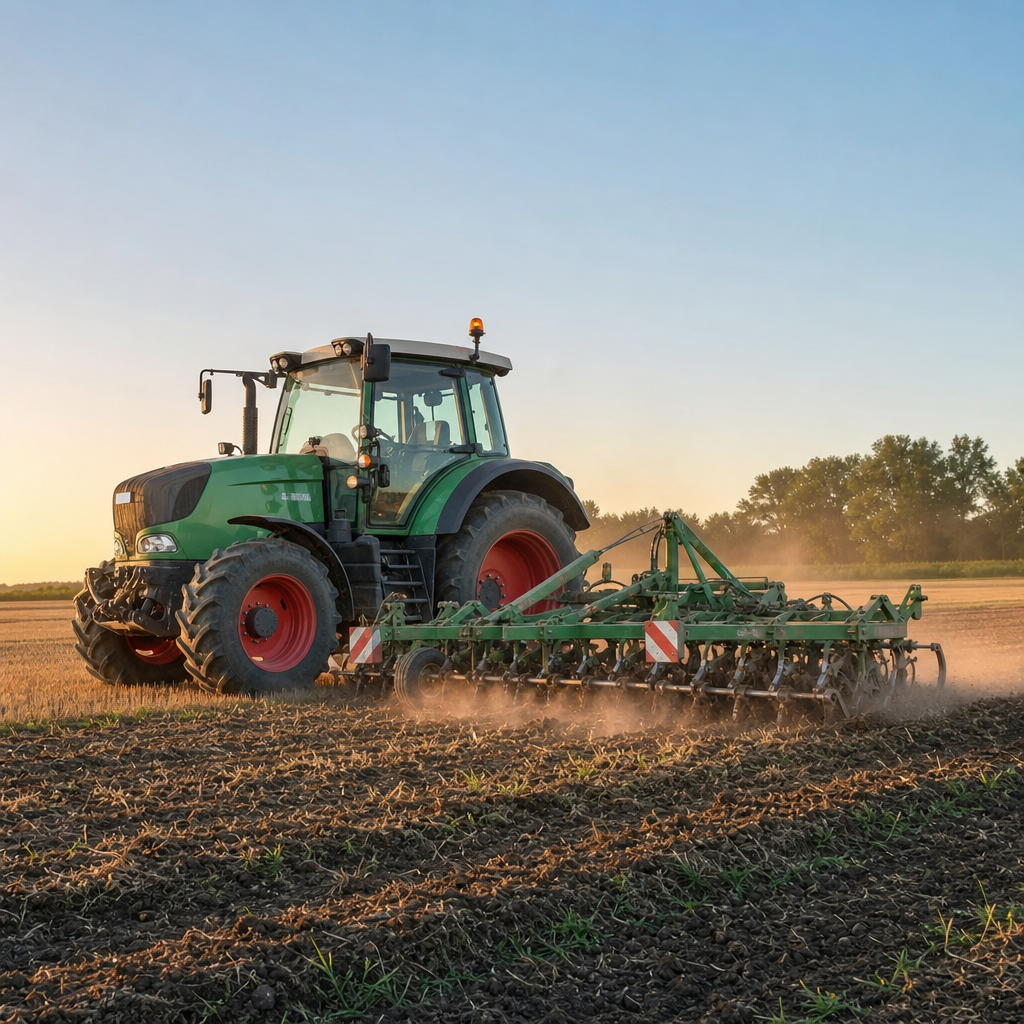
Modern farming demands more than hard work and good soil. It demands smart investment in equipment that multiplies your effort, reduces labor costs, and keeps your operation competitive through every season. For many farmers across the country, the tractor sitting in the barn is only as valuable as the attachments connected to it. Choosing the right implements can mean the difference between a productive planting season and a costly, exhausting one. Whether you manage a small family plot or a large commercial operation, understanding which tools deliver the most value is a foundational part of running a successful farm.
Why Tractor Attachments Matter More Than Ever
The agricultural landscape has shifted dramatically over the past two decades. Labor shortages, rising input costs, and increasingly unpredictable weather patterns have pushed farmers to rely more heavily on mechanization. A well-equipped tractor can replace hours of manual labor in minutes, allowing operators to cover more ground with greater precision. Attachments extend the functional range of a single machine, turning one piece of capital equipment into a multi-purpose workhorse capable of handling everything from soil preparation to post-harvest cleanup.
This shift toward attachment-based farming is not just about efficiency — it is also about adaptability. Farmers who invest in versatile implements can pivot quickly when conditions change, rotating between tasks without the need for multiple dedicated machines. That flexibility has real financial value, particularly for mid-sized operations where capital is limited but demands are high.
Preparing the Ground: The Foundation of Every Successful Season
Before any seed goes into the ground, the soil must be properly conditioned. Tillage attachments, box blades, and land planes are among the most critical tools a farmer can own. These implements break up compacted soil, level uneven terrain, and create the seedbed conditions that give crops the best possible start. Skipping or rushing this step often leads to poor germination rates, uneven crop stands, and reduced yields at harvest.
Soil health experts consistently emphasize the importance of thorough spring preparation. According to Iowa State University Extension’s spring planting preparation guidelines, timing and soil temperature are just as important as the physical preparation itself. Farmers who combine proper tillage practices with attention to soil biology tend to see measurable improvements in crop performance season over season. Investing in quality ground-engaging attachments is one of the most direct ways to support that preparation process.
Matching Attachments to Soil Type and Crop Needs
Not every attachment suits every farm. Sandy loam soils behave very differently from heavy clay, and the implements that work well in one environment may struggle in another. Farmers should evaluate their specific soil profile, drainage characteristics, and crop rotation plans before committing to any major equipment purchase. Consulting with local extension agents or experienced equipment dealers can help narrow down the options and prevent costly mismatches between machine and land.
The Case for Kubota: Reliability Meets Versatility
Among the many tractor brands available to today’s farmer, Kubota has earned a strong reputation for durability, parts availability, and a broad ecosystem of compatible implements. Kubota tractors are particularly popular among small to mid-sized operations because they offer commercial-grade performance in a compact, manageable package. Their attachment compatibility is extensive, allowing operators to configure their machines for a wide range of seasonal tasks without significant downtime or mechanical complexity.
For farmers looking to maximize the utility of their Kubota equipment, exploring the full range of available implements is well worth the time. A detailed breakdown of the best Kubota attachments can help operators identify which tools align with their specific operational needs, from front loaders and backhoes to rotary cutters and augers. Understanding the capabilities of each attachment before purchasing ensures that every dollar spent contributes directly to farm productivity.
Front Loaders and Material Handling
One of the most universally useful attachments for any tractor is a front-end loader. Whether moving hay bales, spreading compost, clearing debris after a storm, or loading grain into a trailer, a loader transforms a tractor into a true utility vehicle. Kubota’s loader systems are engineered for smooth hydraulic response and high lift capacity relative to machine size, making them a practical choice for farms where versatility is a daily requirement.
Rotary Cutters and Vegetation Management
Keeping pastures, fence lines, and field edges clear of overgrowth is a year-round task on most farms. Rotary cutters, also known as bush hogs, handle this work efficiently and can be swapped in and out of service quickly when other attachments take priority. For livestock operations in particular, maintaining clean pastures directly impacts animal health and forage quality, making a reliable cutter one of the most cost-effective investments available.
Community and Regional Farming Perspectives
Agricultural practices vary significantly by region, and what works on a large Midwestern grain farm may look very different from the methods used by smallholder farmers in other parts of the world. Understanding those differences offers valuable perspective on how equipment choices are shaped by local conditions, crop types, and economic realities. Exploring how farming communities in diverse environments approach land management and mechanization can inspire practical ideas that translate across borders.
For example, the agricultural community of Ojolla in Kisumu County demonstrates how smallholder farmers adapt their practices to local terrain and resource availability. These communities often find creative solutions to mechanization challenges that larger operations take for granted, offering lessons in efficiency and resourcefulness that resonate with farmers everywhere.
Building a Long-Term Equipment Strategy
Purchasing farm attachments should never be an impulsive decision. The most successful operators approach equipment acquisition as part of a broader, multi-year strategy that accounts for crop rotation plans, anticipated labor needs, and projected revenue. Starting with the highest-priority implements — those that address the most time-consuming or labor-intensive tasks — and expanding the inventory gradually is a financially sound approach that avoids overextension.
Maintenance planning is equally important. Even the best attachments will underperform if they are not properly serviced between seasons. Establishing a routine inspection and maintenance schedule, keeping spare parts on hand for high-wear components, and storing implements correctly during the off-season all contribute to longer service life and better return on investment.
About HR Agri Power
HR Agri Power is a trusted resource for farmers seeking expert guidance on agricultural equipment, tractor attachments, and implement selection. With a focus on practical, experience-based advice, the platform helps operators at every scale make informed decisions about the tools that power their operations. Their content covers a wide range of topics relevant to modern farming, from equipment comparisons to seasonal preparation strategies, making it a valuable reference for anyone serious about improving farm efficiency.
Conclusion: Invest Wisely, Farm Better
The right attachments do not just make farming easier — they make it more sustainable, more profitable, and more resilient in the face of changing conditions. Whether you are preparing soil for spring planting, managing vegetation through the summer, or handling post-harvest tasks in the fall, having the right implement connected to your tractor makes every job more manageable. Take the time to evaluate your operation’s specific needs, research your options thoroughly, and invest in equipment that will serve you reliably for years to come. The returns, both in productivity and peace of mind, are well worth the effort.