
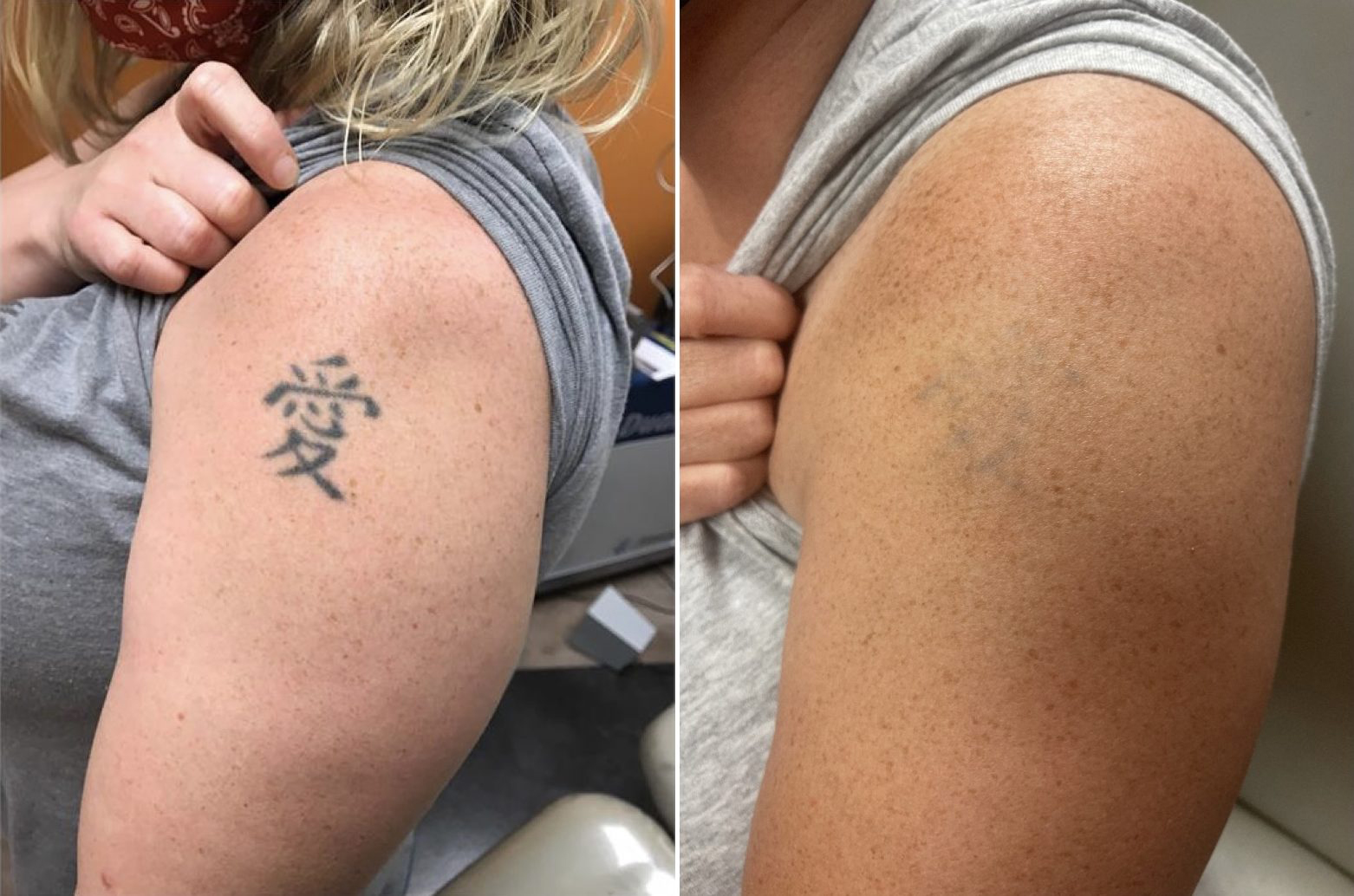
A tattoo that made sense at 19 doesn’t always make sense at 35. Maybe it’s a name, a design that’s faded into a blurry smudge, or something that no longer fits your life. Whatever the reason, tattoo removal has become far more accessible and effective than it was even a decade ago, but going in without the right expectations can lead to disappointment. Here’s what actually matters before you book that first session.
It takes more sessions than you think
Most laser tattoo removal requires between 6 and 12 sessions, spaced six to eight weeks apart. That gap isn’t arbitrary — skin needs time to heal and for the lymphatic system to clear away the broken-down ink particles between treatments. A small, simple black tattoo might clear up in fewer visits, while a large multicolored piece could take a year or more of consistent treatment. Anyone promising a two-session fix is either overselling the process or working with an unusually easy case.
Ink color and depth change everything
Black and dark blue ink respond best to laser treatment because they absorb the widest range of light wavelengths. Greens, yellows, and light blues are notoriously stubborn and sometimes never fully disappear. The depth of the ink matters too — tattoos applied by amateurs often sit unevenly in the skin, which can actually make removal patchier and slower than a professionally done tattoo of the same size.
Skin tone affects treatment approach
Laser removal works by targeting the pigment in the ink, but darker skin tones also contain more melanin, which can absorb the laser energy meant for the tattoo. This raises the risk of pigment changes, like light or dark patches, if the wrong laser or settings are used. A qualified technician will adjust wavelength and intensity based on skin tone, not just tattoo color, so it’s worth asking directly how they tailor treatment for different complexions before starting.
Aftercare determines how well you heal
The days following a session matter almost as much as the session itself. Skin typically blisters, scabs, or feels sunburned for a few days, and picking at it or exposing it to direct sun can cause scarring or uneven fading. Keeping the area clean, moisturized, and covered, along with avoiding swimming pools and tanning for at least two weeks, gives skin the best shot at healing cleanly between rounds.
Cost adds up over the full process
A single session can run anywhere from 75 to 400 dollars depending on the size of the tattoo and the clinic’s location, and that’s per visit, not a flat rate for full removal. A small wrist tattoo might total a few hundred dollars by the end of treatment, while a large back piece could climb into the thousands. Getting a clear, itemized quote upfront, including what happens if more sessions are needed than originally estimated, prevents unpleasant surprises halfway through.
Not all clinics offer the same quality
Laser tattoo removal isn’t one-size-fits-all technology, and the machine matters as much as the operator running it. Picosecond lasers tend to break down ink more efficiently and with less damage to surrounding skin compared to older Q-switched models, though both have their place depending on the tattoo. Reading up on the equipment used and asking how many removal treatments a clinic has performed on cases similar to yours is a reasonable thing to do before committing. For anyone in the northwest suburbs of Melbourne, tattoo removal services Moonee Ponds, VIC have built a solid reputation for combining updated laser technology with technicians who take the time to explain realistic timelines rather than rushing clients through a sales pitch.
Some tattoos fade better than others
Age of the tattoo plays a bigger role than most people expect. Older tattoos that have already faded naturally over the years tend to respond faster to laser treatment than a tattoo applied just a few months ago with fresh, densely packed ink. Location on the body matters too — areas with better blood circulation, like the chest or upper arms, tend to clear faster than hands, feet, or ankles, where circulation is slower and healing takes longer.
Getting it right the first time
The biggest mistake people make isn’t choosing removal — it’s underestimating the timeline and skipping research on where to get it done. A rushed provider using outdated equipment or incorrect settings can leave scarring that’s harder to deal with than the original tattoo. Booking a consultation, asking specific questions about the laser type and expected number of sessions, and being upfront about skin tone and tattoo history sets realistic expectations from day one. Patience and a properly qualified technician matter more than speed here, and treating removal as the months-long process it actually is will save both money and frustration in the long run.