
Why Travel Wardrobes Need a Different Logic
Standing at an airport check-in with a carry-on that just barely zips closed teaches you something fast. Your home wardrobe and your travel wardrobe should operate by different rules entirely. The pieces that work all week in your closet aren’t necessarily the ones that should make the trip. So smart travelers stop packing everything they own and start curating a smaller kit that earns every cubic inch. A Parke mockneck is a perfect example of a piece that punches way above its weight. It folds flat, weighs almost nothing, and replaces three other items you’d otherwise pack. That kind of efficiency matters enormously when you’re trying to cover ten days across two cities with carry-on only. The travel wardrobe problem isn’t just about volume either. Your pieces need to handle climate shifts, look presentable after 12 hours of wear, photograph well in tourist spots, and resist wrinkling after being crammed into a backpack. Few mass-market pieces hit all four marks. Specialty pieces from quality brands tend to hit three or four naturally because they’re built with denser fabrics and better construction. The rest of this guide breaks down exactly how to build a travel-ready wardrobe that holds up across two-week trips without packing a giant suitcase. Plus, the specific pieces that earn their carry-on space, the layering formulas that work everywhere, and the honest limitations of trying to compress your wardrobe down. Honestly, I think travel is where the real value of quality clothing shows up. At home, you can change outfits anytime. On the road, you wear what you packed, often for longer than planned. So the wrong piece costs you comfort, photos, and confidence for the whole trip.
The Weight Problem: Why Every Piece Has to Earn Its Space
Carry-on luggage typically caps at 7 to 10 kilograms, depending on the airline. That doesn’t sound restrictive until you start packing. A heavy parka alone might weigh 1.5 kg. A pair of bulky boots adds another 1.2 kg. Three pairs of jeans hit 1.8 kg total. So before you’ve even packed shirts, you’ve burned half your allowance on three categories. Specialty pieces solve this through smarter material choices. A mid-weight specialty mockneck (360 gsm cotton) weighs about 350 grams folded. A specialty heavyweight hoodie hits maybe 600 grams. Both pack flat and resist permanent creasing. Compare that to a chunky knit sweater that weighs 800 grams and takes up the volume of two of those pieces combined. The math heavily favors layerable mid-weight pieces over single thick items. The other weight factor most people miss is shoe choice. Two pairs of shoes cost you 1.5 to 2 kg even if both pairs are light. So smart travel packing usually means picking one versatile pair of boots and wearing them on the plane. That single decision frees up nearly two kilos of bag weight for actual clothing. Plus, the wearing-it-on-the-plane move applies to your bulkiest items too. The hoodie, the overshirt, the heavier boots, even a packable jacket: any of these can travel on your body rather than in your bag. Long flights run cold anyway, so the layered look serves comfort during travel and saves bag weight at the same time. Concrete detail worth noting: shaving 1 kg off your bag often means the difference between hand-carrying or paying $80 for checked luggage on budget airlines. So packing math has real financial stakes, not just inconvenience.
Your Pre-Pack Travel Checklist for Any Trip
Before you start tossing things into a suitcase, run through a checklist that matches your trip length and climate range. So I built this list after enough overpacked trips to know what actually gets worn. Here’s the formula that works for almost any 5 to 14-day trip with carry-on only:
- Three quality tees in neutral colors (white, charcoal, faded black). Merino blend or heavyweight cotton.
- One mid-weight mockneck or thin sweater that works as a warm base layer or standalone piece in cool weather.
- One heavyweight hoodie or quality crewneck for travel days and cooler evenings.
- One overshirt or a chore jacket that layers over the hoodie when temperatures drop further.
- Two pairs of pants: one denim, one chino or technical trousers in a neutral tone.
- Five pairs of underwear and five pairs of socks, including one pair of merino wool socks for travel days.
- One pair of versatile boots worn on the plane, plus one pair of casual sneakers, packed for everything else.
That’s roughly nine clothing items plus accessories. Add a beanie, a packable cap, a watch, sunglasses, and you’ve covered almost any situation a city or mixed-terrain trip might throw at you. Total bag weight stays under 6 kilos when the right pieces are chosen, which leaves room for souvenirs and overflow. The biggest mistake new travelers make is packing too many tees and not enough versatile mid-weight pieces. Three tees cover a week through proper rotation and laundry stops. Five or six tees just add weight without flexibility. Less is genuinely more here. One concrete tip: roll your clothes instead of folding. Rolling cuts wrinkles by about 60 percent and saves visible volume in the bag.
Why a Parke Mockneck Beats Three Other Pieces on Any Trip
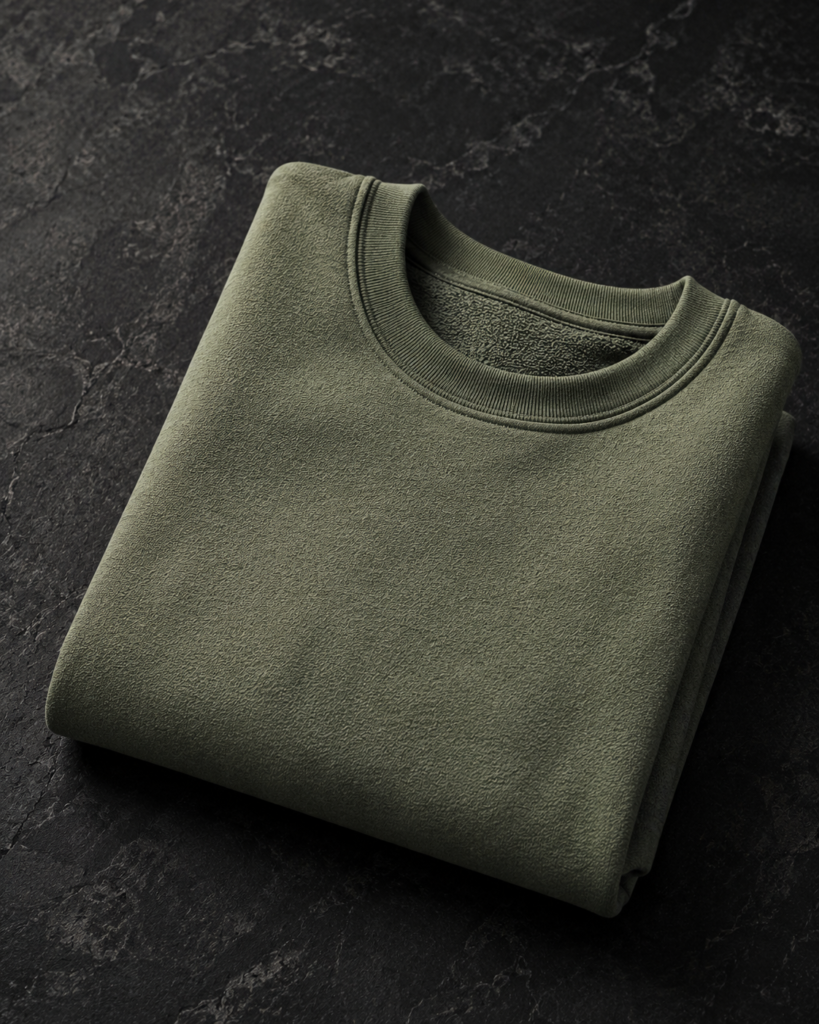
The mockneck is genuinely the unsung hero of travel wardrobes. So once you understand what it replaces, you’ll never pack without one again. A piece like a parke mockneck handles at least three different roles on a single trip. Role one: warm base layer under a hoodie on a chilly outdoor evening. Role two: standalone smart-casual piece for dinners and restaurants where a graphic tee feels too casual. Role three: layered statement under an open overshirt for photos in cool weather. That three-in-one function means leaving home with a mockneck cuts your packing needs by two or three other pieces. You don’t need a separate dress shirt, a separate sweater, and a separate nice tee. The mockneck covers all three contexts with one packing slot. The fabric weight matters more on a trip than at home. A quality 360 to 400 gsm cotton mockneck holds its shape after being packed and unpacked four or five times across a trip. A cheaper $30 to $40 mockneck stretches out at the neckline after two wears in a row, which leaves you with a piece that photographs badly for the rest of the vacation. So this is one of those pieces where the upfront cost pays back fast. Plus, a quality mockneck in a neutral color (cream, navy, charcoal, olive) pairs with literally every other piece in a smart travel kit. You can wear it under your hoodie on the plane, then again under your overshirt for dinner that night, then by itself for a daytime walk the next morning. Three different outfits, one packing slot. That’s the math that makes specialty pieces worth their higher prices, specifically for travel use.
Layering Signals That Make Travel Outfits Work
Once you have the right pieces, the layering logic determines whether you look polished or thrown-together while traveling. So here are the specific signals that separate travel outfits that photograph well from ones that just function. Watch for these every time you build an outfit on the road:
- The base layer should peek slightly at the collar. A hint of mockneck or tee under the hoodie creates depth instead of flat single-layer monotony.
- Color palettes should stay within three tones. Browns, creams, and faded black. Or navys, greys, and white. Adding a fourth color usually breaks the photo.
- Cuffs should be intentional. Single-rolled denim cuff, sleeves pushed up once on the mockneck, hoodie cuffs sitting just past the wristbone. These small details signal effort.
- The shoe color should match either your bag or your belt. Brown boots with a brown belt and a brown leather backpack. Or black boots with a dark watch strap. Picking one tone family pulls everything together.
- Layers should taper, not bulk. The base layer is the thinnest, the mid-layer is medium, and the outer layer is the heaviest. Reversing this creates awkward silhouettes that read as messy.
- Accessories should add a single focal point. A watch on the wrist works. A watch plus three bracelets plus rings plus a necklace clutters the wrist and dilutes everything else you’re wearing.
- The outfit should look reusable, not photo-staged. Travel outfits that read as deliberately styled often photograph worse than ones that just look lived-in.
So apply three or four of these consistently, and your travel photos will look noticeably better than the average vacation snapshots. The rules also work in person, not just on camera. A well-layered outfit during travel signals comfort with yourself, which actually changes how locals and other travelers respond to you. That subtle confidence builds the trip experience in ways you don’t always notice consciously.
The Versatile Hoodie: Your Travel-Day Workhorse
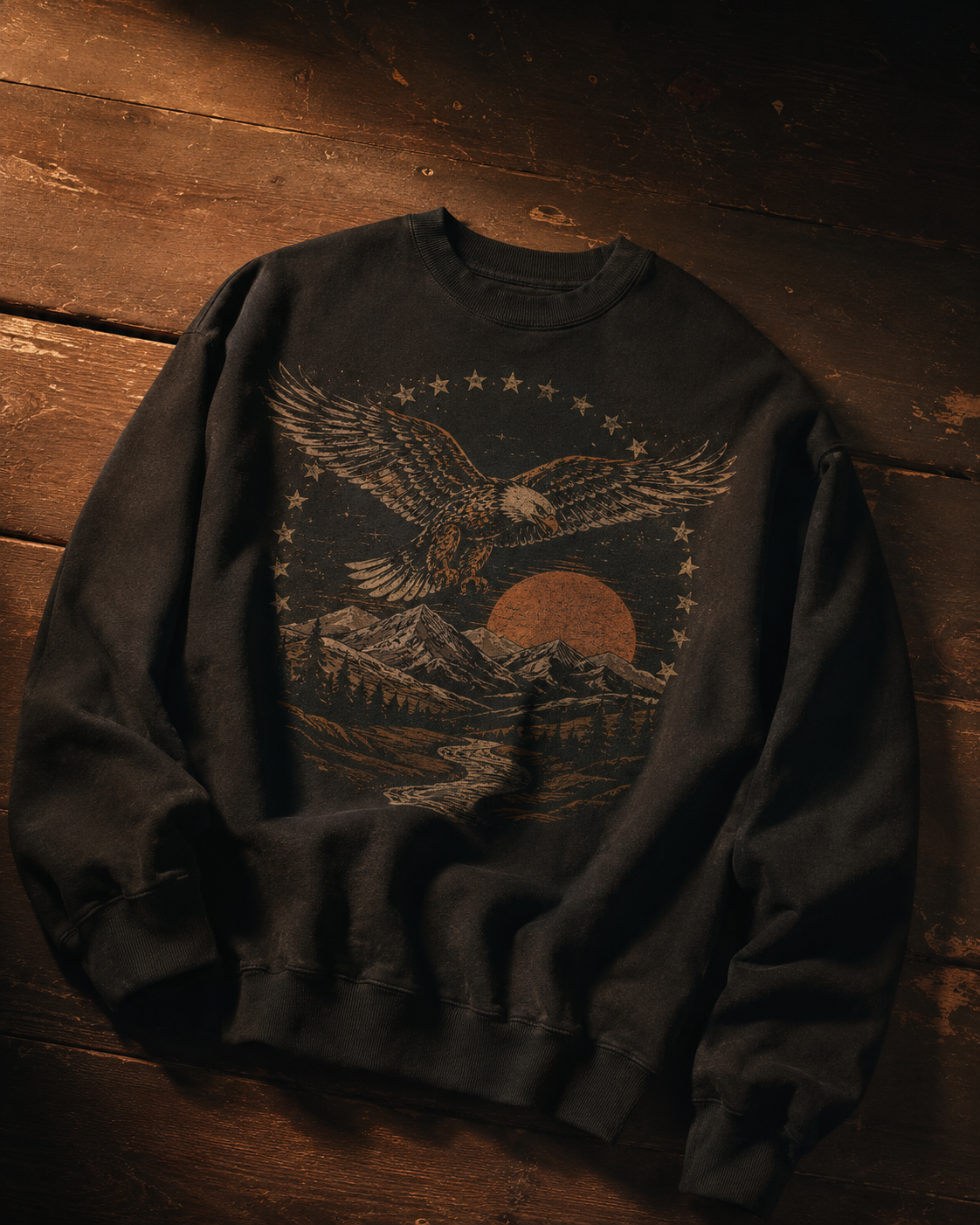
Travel days are when your hoodie earns its place in the wardrobe more than any other time. So the hoodie you pack for a trip should be different from a casual home hoodie if you want it to actually perform. A piece like a Zach Bryan hoodie demonstrates the construction features worth looking for in a travel hoodie. Heavyweight cotton (380 to 450 gsm) that resists wrinkles after being stuffed into a personal item bag on the plane. Drop-shoulder or athletic cut that drapes well over a layered tee or mockneck. Properly stitched kangaroo pocket that holds your phone, passport, and boarding pass without sagging. Plus a hood that actually stays up when you pull it forward, instead of flopping back the moment you turn your head. That last point matters more than people realize. Falling asleep on a long-haul flight is way easier with a hood that actually creates a shadow over your eyes. Cheap hoodies have shallow hoods that don’t function. Quality hoodies have hoods deep enough to block ambient light. So a $90 hoodie can genuinely improve your sleep quality on overnight flights compared to a $30 alternative that won’t stay up. The color choice also matters for travel-day usefulness. Faded black or charcoal hides food stains, drink spills, and the general grime of 14 hours of air travel. Bright colors or pure white show everything by hour six. So packing a neutral-toned hoodie keeps you looking acceptable through transit, even if you don’t get to change clothes for an extra-long travel day. One concrete observation from actual travel: I’ve worn the same heavyweight hoodie across maybe 60 flights now, and the only visible wear shows at the cuffs (which is normal). The body, the hood, and the pocket still look exactly like they did in year one.
The Travel Watch Question
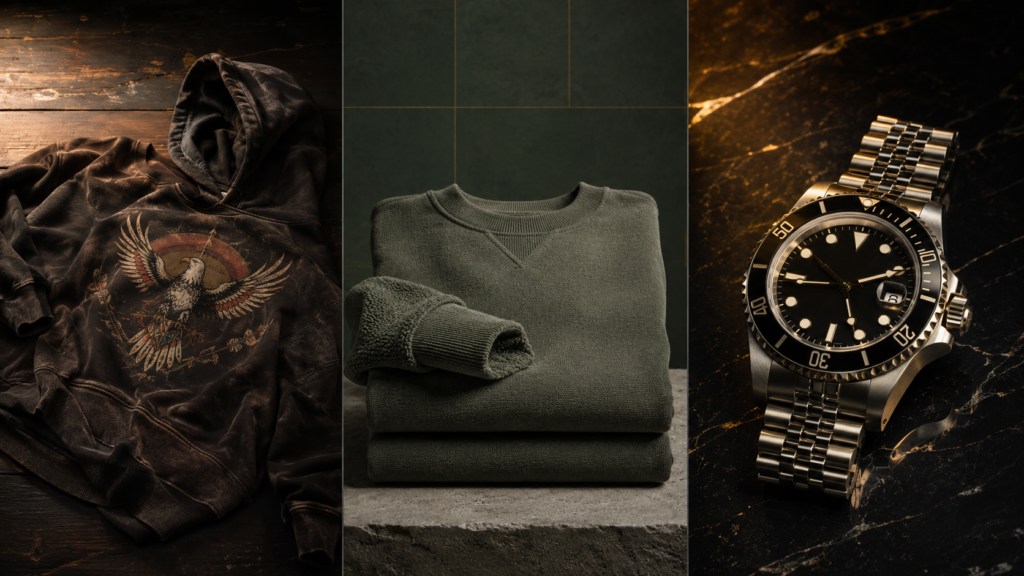
Watches on the road create a real dilemma. A genuine luxury watch is the single piece most likely to attract theft attention in unfamiliar cities. Pickpockets and street thieves target visible high-value items, and a $15,000 watch glinting on your wrist makes you a literal target. Yet leaving the watch at home means traveling without your favorite accessory for two weeks. So specialty alternatives solve the dilemma. A piece from a replica Rolex collection lets you keep wearing a classic watch silhouette on your wrist while traveling without the same theft risk. The visual experience matches what genuine wearers get (Submariner, Datejust, Day-Date silhouettes), but the actual financial exposure if something goes wrong is dramatically lower. Travel-friendly watch features worth prioritizing: a screw-down crown for any water exposure (rain, hand washing in airport bathrooms), an Oyster or Jubilee bracelet that survives being yanked on and off through security checkpoints, a sapphire crystal that resists scratches from luggage handles, and a case size between 36mm and 41mm that doesn’t catch on sleeves or backpack straps. Plus, color choice matters here, too. A stainless steel watch with a black or blue dial photographs well against any clothing palette. A flashy gold watch reads as showy and increases the visual signal that you might be a target. Stainless and dark dials blend in. One honest limitation: this approach isn’t legal or comfortable for everyone. Some countries take an active interest in replicas at customs, and some travelers simply prefer not to wear them. So know your own comfort and your destination’s rules before committing to this approach. For everyone in between, a quality specialty watch genuinely changes the travel-style equation in a positive direction.
Packing the Final Bag: Putting It All Together
Once you have all the pieces selected, the actual packing routine determines whether you arrive looking ready or wrinkled. So here’s the system that works after enough trips to refine it. First, wear your heaviest pieces on the plane: the boots, the hoodie, the heaviest jacket if you packed one. This shifts kilos out of your bag and onto your body, where airlines don’t weigh them. Second, roll your softer pieces tightly: tees, mock necks, base layers, and underwear. Rolling reduces wrinkles by about 60 percent compared to folding. Third, fold structured pieces flat: chinos, denim, the overshirt. These hold creases better when laid flat than rolled. Fourth, pack shoes at the bottom of the suitcase in shoe bags or with socks stuffed inside them. The socks fill the awkward space, and the shoes anchor the bag. Fifth, layer flat-packed items on top of shoes, then rolled items on top of those, then accessories and small bags in the gaps. The whole packing process takes about 20 minutes once you know the system. Plus, unpacking at the destination becomes faster because everything has its place. One detail worth flagging: pack a small fabric pouch with travel-day essentials (chargers, headphones, a small toiletry kit, a granola bar). This lives at the very top of the bag for easy access during transit. The pouch also doubles as a daypack later in the trip if you find yourself out for the day without your main bag. Smart packing pays back across the entire trip, not just on travel days. So spending 30 minutes setting up your bag the right way saves hours of fussing across two weeks of travel.
Final Words
Travel wardrobes work when every piece earns its space. So the mockneck, the heavyweight hoodie, the right watch, and a small set of versatile basics will outperform a suitcase full of mediocre items every single time. Build the kit slowly. Test pieces on shorter trips first. Replace what doesn’t perform after a few outings. By the time you take a longer trip, the bag almost packs itself, and the wardrobe holds up across climates and contexts without forcing you to compromise on how you look or feel.
FAQs
Q: Can I really cover a 10-day trip with just one mockneck?
Yes, easily, if it’s a quality piece in a neutral color. A 360 gsm mockneck can be worn every other day without showing wear, and it can be rinsed in a sink and air-dried overnight if needed. Quality fabric resists smell and shape loss far better than cheaper alternatives.
Q: How do I avoid wrinkles in a travel hoodie?
Roll it tightly instead of folding, and pack it in the middle of the bag rather than at the bottom. A heavyweight cotton hoodie at 380 gsm or above resists wrinkles naturally. If you pack a lighter fast-fashion hoodie, expect creasing, no matter how carefully you pack it.
Q: Is a specialty watch really safer to travel with than a genuine luxury watch?
The watch itself isn’t necessarily safer, but the financial exposure is much lower. Thieves can’t tell the difference at a glance, so the theft risk is similar. But losing or damaging a $500 specialty piece is dramatically less painful than losing a $15,000 watch. Some travelers prefer it specifically for that reason.
Q: What’s the single most overlooked travel wardrobe item?
Merino wool socks. They cost $15 to $25 per pair, regulate temperature across hot and cool destinations, resist odor for 3 to 4 wears, and stay comfortable through 14-hour travel days. One pair of merino socks easily outperforms three pairs of cotton socks on any trip.
Q: Can I get away with packing only one pair of shoes?
For short city trips, yes. For longer trips or any with mixed activities (city walks plus a hike, for instance), you need two pairs minimum. Wear your bulkier pair on the plane and pack the lighter pair. That keeps shoes off your bag-weight allowance while still giving you options at the destination.