
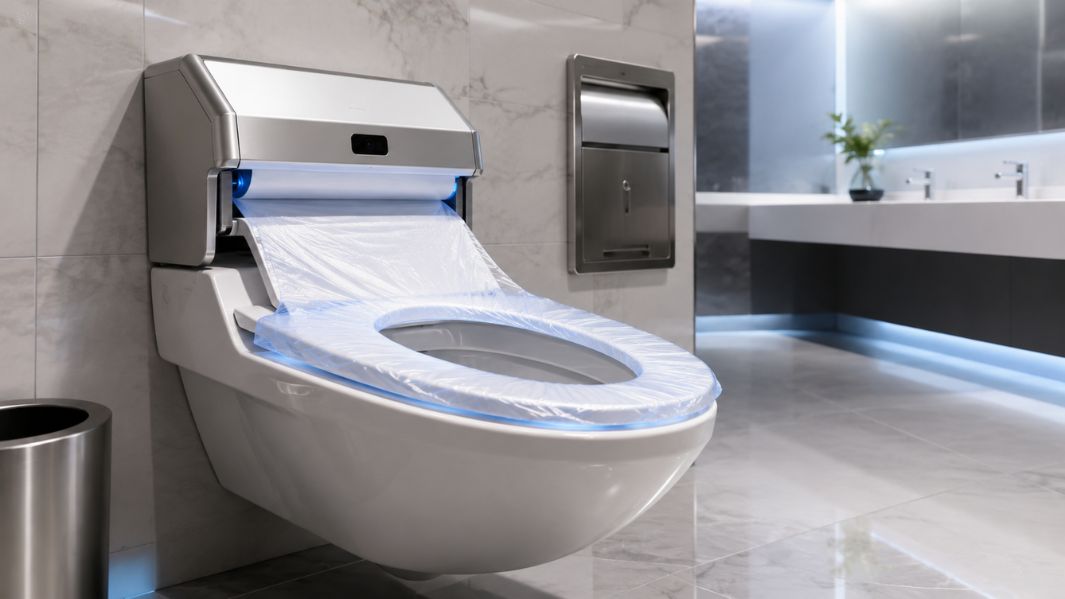
An Automatic Seat Cover is becoming one of the most practical hygiene solutions in modern public and commercial restrooms. In places where many people use the same toilet facilities every day, cleanliness is not just a comfort issue; it is a matter of health, safety, and user confidence. Traditional toilet seats often make users uncomfortable because they are shared by strangers, and even when restrooms are cleaned regularly, people still worry about direct contact with germs, bacteria, moisture, and stains. This is where an automatic sanitary toilet seat cover system offers a smarter, more reliable solution. It provides a fresh protective layer on the toilet seat, typically via an automatic rotation or replacement mechanism, so each user can feel more secure before sitting down. In simple words, an Automatic Seat Cover helps create a cleaner restroom experience without requiring users to manually place paper covers or wipe the seat themselves.
What Is an Automatic Seat Cover?
An Automatic Seat Cover is a device designed to provide a clean, disposable, or rotating protective layer over a toilet seat. It is commonly installed in shopping malls, hospitals, hotels, airports, offices, restaurants, educational institutions, and other high-traffic restrooms. The system usually works with a sensor or button. When a user activates it, the used cover film rotates away, and a fresh portion of sanitary film moves into place. This gives each user a cleaner surface and reduces direct contact with the toilet seat. Some models use plastic film rolls, while others may use automatic paper seat cover systems. The main purpose remains the same: to improve toilet hygiene, reduce discomfort, and provide a more professional restroom experience.
How an Automatic Seat Cover Works
The working process of an Automatic Seat Cover is simple but effective. A roll of sanitary film is placed inside the seat cover unit. After each use, the system pulls the used section into a storage area while bringing a clean section over the toilet seat. This action may be triggered by a sensor, a side button, or an automatic control panel. In many modern systems, the cover moves smoothly around the ring-shaped seat, making sure the surface is fully protected. Some advanced models also include antibacterial material, waterproof protection, low-noise motors, and energy-efficient operation. The user does not need to touch the seat or handle any paper cover, making the process more convenient and hygienic. This hands-free or low-touch system is one of the biggest reasons why automatic seat covers are becoming popular in public restrooms.
Why Restroom Hygiene Matters
Restroom hygiene plays an important role in how people judge a business, workplace, or public facility. A clean restroom can improve the reputation of a hotel, office, restaurant, or shopping centre, while a dirty restroom can leave a negative impression even if the rest of the place is well managed. Shared toilet seats are a concern for users because they are used by many people throughout the day. Although regular cleaning is important, cleaning staff cannot always sanitise the toilet seat after every single use. An Automatic Seat Cover helps fill this gap by providing a fresh protective layer for each user. It does not replace professional cleaning, but it adds an extra level of protection and comfort that many users appreciate.
Main Benefits of an Automatic Seat Cover
The biggest benefit of an Automatic Seat Cover is improved hygiene. Users get a clean layer before use, which helps reduce direct contact with the seat. This can make restrooms feel safer, especially in busy public places. Another major benefit is convenience. Unlike manual paper covers, users do not need to struggle to place a cover correctly or deal with torn paper. The system does the work automatically, saving time and reducing mess. For businesses, an automatic system can also improve customer satisfaction because people often notice and remember restroom quality. A clean and modern restroom suggests that the business cares about health, comfort, and professionalism. In hospitals and healthcare facilities, this type of system can be even more valuable because hygiene standards are especially important.
Automatic Seat Cover in Public Restrooms
Public restrooms are the most common places where an Automatic Seat Cover is used. Airports, railway stations, malls, cinemas, stadiums, and offices receive hundreds or even thousands of visitors every day. In these locations, toilet seats are used repeatedly, and many users feel uncomfortable sitting directly on them. An automatic cover system gives users peace of mind by creating a fresh barrier between the person and the seat. It also helps reduce the use of excessive toilet paper, as many people otherwise cover the seat with tissue. This can reduce waste, keep the restroom cleaner, and prevent clogged toilets from being flushed with too much paper. For facility managers, this makes automatic systems both hygienic and practical.
Automatic Seat Cover for Commercial Buildings
Commercial buildings can benefit from installing an Automatic Seat Cover because employee and visitor comfort matters. In offices, business centres, clinics, hotels, and restaurants, restroom quality reflects the overall management standard. A poorly maintained restroom can affect employee morale and customer trust. An automatic system shows attention to detail and can make users feel that the environment is clean and well cared for. In premium hotels, luxury offices, and modern healthcare centres, these systems also add a sense of comfort and sophistication. They are not only a hygiene product but also part of a better user experience.
Key Features to Look For
When choosing an Automatic Seat Cover, several features should be considered. A good system should have smooth automatic rotation, strong seat material, easy refill replacement, reliable sensor or button control, and quiet operation. The cover film should be safe, durable, and sanitary. Some systems include antibacterial film, which provides an added hygiene advantage. Energy efficiency is another useful feature, especially for facilities with many toilets. The design should also be easy to clean because the device itself must remain hygienic. A simple, strong design is often better than a complicated system, as commercial restrooms need equipment that can withstand frequent use without constant maintenance.
Automatic Seat Cover vs Manual Paper Covers
Manual paper covers are common in some restrooms, but they are not always convenient to use. Users may find them difficult to place properly, and they can tear easily or fall into the toilet. Many people also use extra toilet paper to cover the seat, which increases waste and cleaning problems. An Automatic Seat Cover offers a more controlled and professional solution. The cover is placed neatly and automatically, reducing user effort and improving the overall appearance of the restroom. While manual paper covers may seem cheaper at first, automatic systems can offer better long-term value in high-traffic locations by improving hygiene, reducing mess, and creating a more premium restroom experience.
Maintenance and Cleaning
An Automatic Seat Cover still needs regular maintenance to work properly. Facility staff must replace the sanitary film roll when it is finished, check the motor or sensor, clean the seat area, and make sure the system is functioning smoothly. However, maintenance is usually simple if the product is well designed. The system should be checked daily in busy restrooms and less often in low-traffic areas. Cleaning staff should also clean the toilet, floor, flush system, and surrounding surfaces because an automatic cover protects the seat but does not clean the entire restroom. The best results come when automatic seat covers are combined with a strong cleaning schedule and proper restroom management.
Cost and Long-Term Value
The cost of an Automatic Seat Cover depends on the model, brand, features, material quality, and installation requirements. Basic systems may be suitable for small offices or clinics, while advanced models are better for luxury hotels, hospitals, airports, and shopping malls. Some businesses may initially see the system as an extra expense, but the long-term value can be strong. It can reduce user complaints, improve hygiene standards, protect the brand image, and create a better impression. In many commercial environments, restroom quality affects customer satisfaction. A clean, modern, and comfortable restroom can encourage visitors to trust the business more.
Is an Automatic Seat Cover Safe?
A well-designed Automatic Seat Cover is safe for normal restroom use. The system is created to move the protective film smoothly and avoid direct contact with the user. Most systems are built with safety in mind, including stable seat design, covered moving parts, and simple controls. The sanitary film is usually designed for single-use contact and is moved away after use. However, quality matters. Businesses should choose reliable products and follow the manufacturer’s instructions for installation, cleaning, and maintenance. Poor-quality systems may break more often or fail to deliver the same level of hygiene. A safe and effective automatic seat cover should be durable, easy to operate, and suitable for repeated public use.
Environmental Considerations
Like many hygiene products, an Automatic Seat Cover can raise questions about waste. Some systems use plastic sanitary film, while others may use paper-based materials. Businesses should consider the type of material used and choose options that balance hygiene with responsible waste management. In some cases, automatic systems may reduce excessive toilet paper usage because users no longer need to create their own protective layer with tissue. This can help reduce paper waste and plumbing issues. The best approach is to select a system that uses efficient roll design, controlled film movement, and materials that match the facility’s hygiene and sustainability goals.
Future of Automatic Seat Cover Technology
The future of Automatic Seat Cover technology is likely to become more advanced as hygiene expectations continue to rise. Modern users now expect cleaner, smarter, and more touch-free restroom experiences. Businesses are also becoming more aware that restrooms are an important part of customer service. Future systems may include smarter sensors, improved antibacterial materials, better energy-saving functions, quieter motors, and more eco-friendly cover materials. As public hygiene remains a priority, automatic toilet seat cover systems may become more common in airports, hospitals, malls, hotels, and corporate buildings worldwide.
Conclusion
An Automatic Seat Cover is a smart and practical solution for improving restroom hygiene, especially in public and commercial spaces. It provides users with a clean protective layer, reduces direct contact with shared toilet seats, and creates a more comfortable restroom experience. For businesses, it can improve customer satisfaction, support better hygiene standards, and strengthen a facility’s overall image. While it does not replace regular cleaning, it adds an important layer of protection and convenience. As people continue to value clean, touch-free, and modern restroom solutions, the Automatic Seat Cover is likely to remain an important feature in high-quality restroom design.